Temperature gauge climbing past the midpoint
A healthy cooling system keeps the needle steady between 80-90°C in both highway and stop-and-go driving conditions.
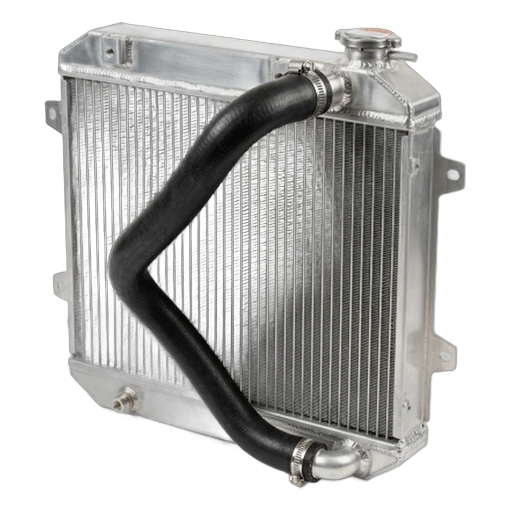
Our trained technicians handle every aspect of Porsche radiator repair in Dubai with the care these performance cars demand. The facility covers Porsche radiator coolant leak repair, flush services, and complete radiator replacement. Every model gets Porsche engine cooling system repair Dubai owners count on for top cooling results.
01Warning signs
A failing cooling system can quickly turn into a costly engine repair. These 8 warning signs are what Porsche engine overheating repair Dubai techs find most often:
A healthy cooling system keeps the needle steady between 80-90°C in both highway and stop-and-go driving conditions.
Green, pink, or orange fluid under the car points to a crack in the core, end-tanks, or connecting hoses.
Small cracks in plastic end-tanks let coolant escape as steam under 1.2-1.5 bar pressure, no puddle forms on the ground.
Dark or thick fluid means rust has built up inside the cooling tubes. This blocks flow and cuts heat transfer.
Bent fins cut the heat exchange surface area by up to 40%, based on SAE thermal research. On the 911, Boxster and Cayman, the radiators sit behind the front bumper intakes, where sand and leaves pack between the condenser and the core until the bumper comes off for cleaning.
The heater core needs hot coolant to work. Low coolant flow points directly to core or thermostat failure.
A fan that never stops means the core can no longer shed heat through normal airflow at driving speed.
Coolant produces a distinct, sweet scent when it leaks onto hot engine surfaces and evaporates.
02Services
Heat cameras and digital scans map hot spots, cold zones, and flow blocks across the full core to trace every cooling fault.
Test gear loads the circuit to 1.4-1.8 bar under cold and hot states, exposing tiny leaks that a visual check would miss.
Focused TIG welding and epoxy sealing close single-core cracks and end-tank seepage points without the need for a full unit swap.
Reverse-flow flushing with cleaning agents breaks down internal scale, rust, and sludge that block coolant flow and cut heat transfer through tubes.
Faulty motors, warped blades, and failing relays get checked on the car and swapped to bring back proper airflow across the core.
All cracked, swollen, or stiff hoses get swapped with OEM-grade silicone or EPDM lines built to handle steady under-hood heat above 120°C.
Rusted cores, cracked plastic end-tanks, and crash-damaged units get pulled out and swapped with factory-spec units matched to the exact model year.
A stuck-open or stuck-closed thermostat breaks the normal coolant cycle and gets swapped to bring back the correct 82-105°C running temperature range. Newer engines use a map-controlled thermostat that runs warmer at a gentle cruise and cooler under hard driving, so movement within this band is normal.
Bearing noise, shaft play, or seal leaks from the coolant pump need fast service to keep steady flow pressure through the system. On M96 and M97 flat-sixes, we renew the pump preventively around 100,000 km or during other major engine work.
Brittle plastic coolant pipes and cracked overflow tanks on Cayenne and Macan models get swapped with stronger OEM-grade parts for lasting use.
Worn caps fail to hold the 1.2-1.5 bar seal, letting coolant boil over and drain until the engine overheats under driving load. A cap holding pressure lifts the boiling point of a 50:50 mix to around 125°C.
Faulty sensors send wrong data to the ECU, holding back fan start-up and skewing gauge readings until the engine overheats without warning.
03Dubai heat
Summer air in the UAE often tops 48°C, and road surface heat reaches 70-80°C. These conditions create 3 compounding stresses on every cooling component:
Running the AC at full blast in summer adds 3-5 kW of heat load to the condenser in front of the core. This cuts airflow through the cooling fins and strains the whole circuit further.
04Models
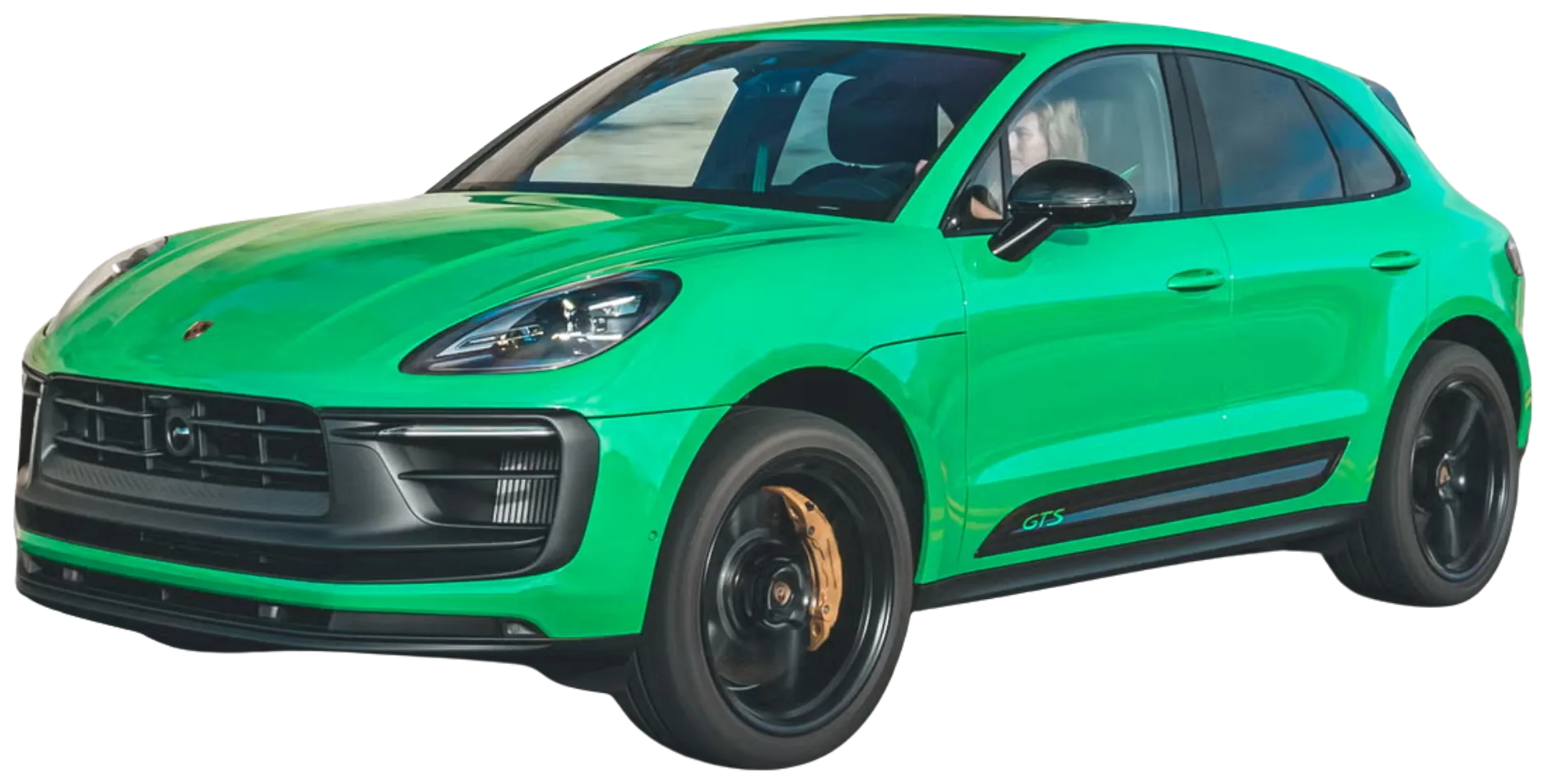
Each model uses a different cooling layout. Failure patterns change based on engine placement, coolant volume, and circuit design.
| Model | Cooling Configuration | Most Common Failure | Typical Failure Mileage |
|---|---|---|---|
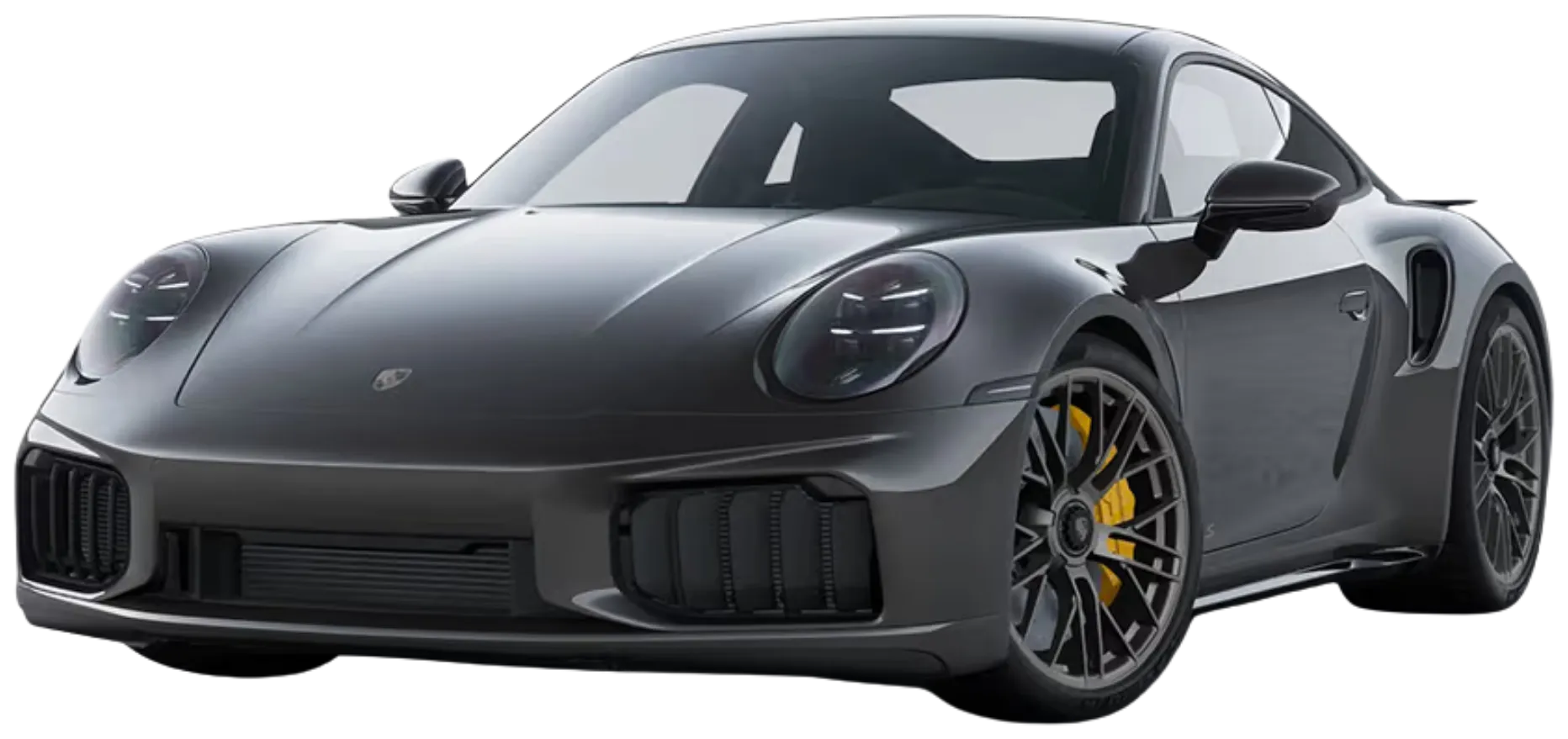 911 (991/992) | Triple-core front layout, aluminum build | Cracked plastic end-tanks from heat cycling | 80,000-120,000 km |
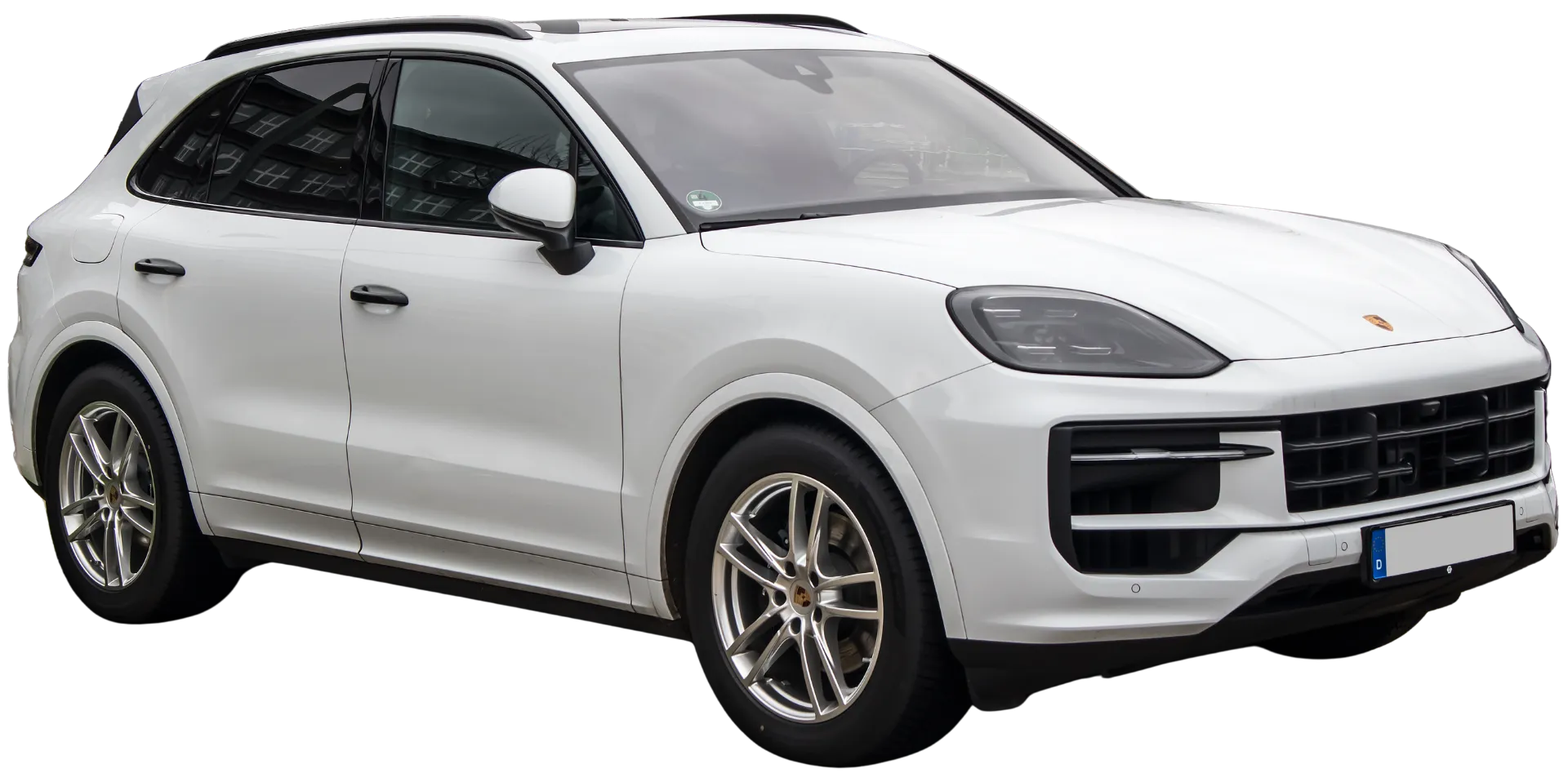 Cayenne (9YA/9Y0) | Single large-format unit with built-in transmission cooler | Transmission fluid mixing with coolant | 90,000-130,000 km |
| Macan (95B) | Front-mounted aluminum-plastic cooling unit | Coolant pipe cracks and expansion tank leaks | 60,000-100,000 km |
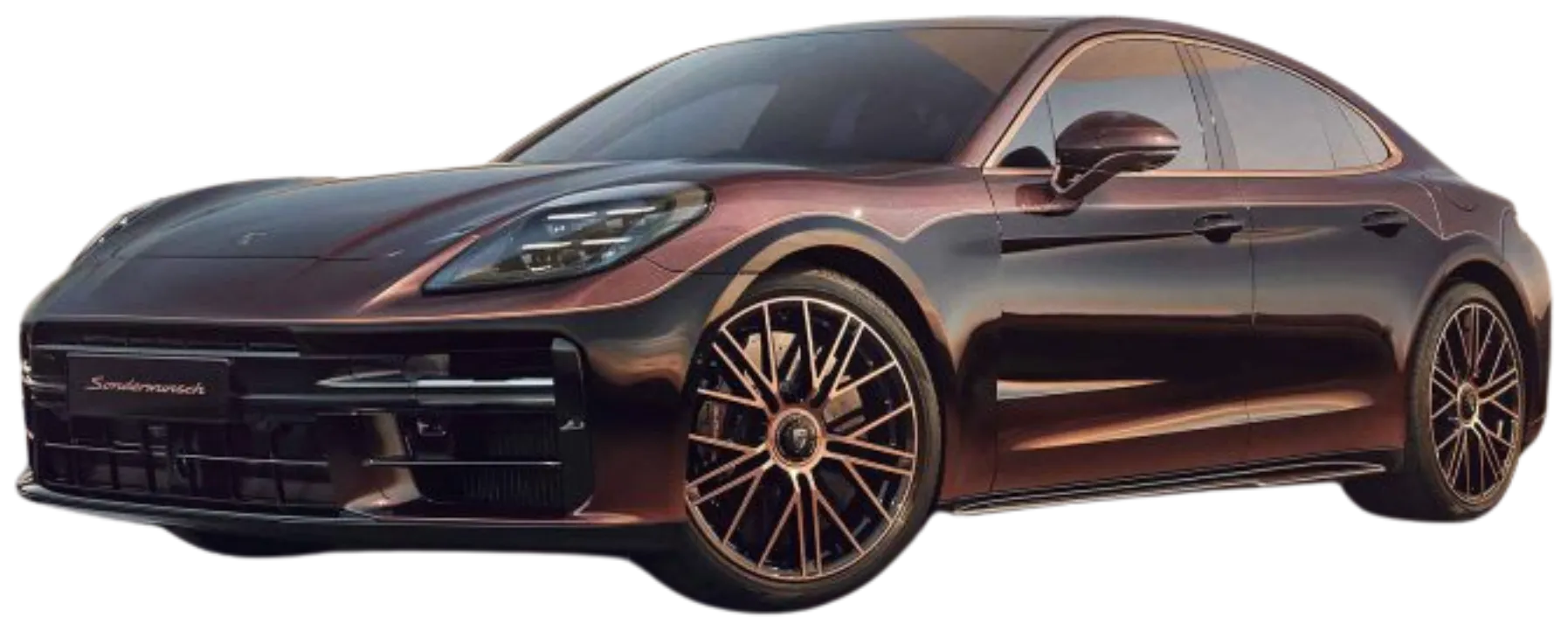 Panamera (971) | High-capacity dual-circuit cooling unit | Thermostat housing failure blocking coolant flow | 70,000-110,000 km |
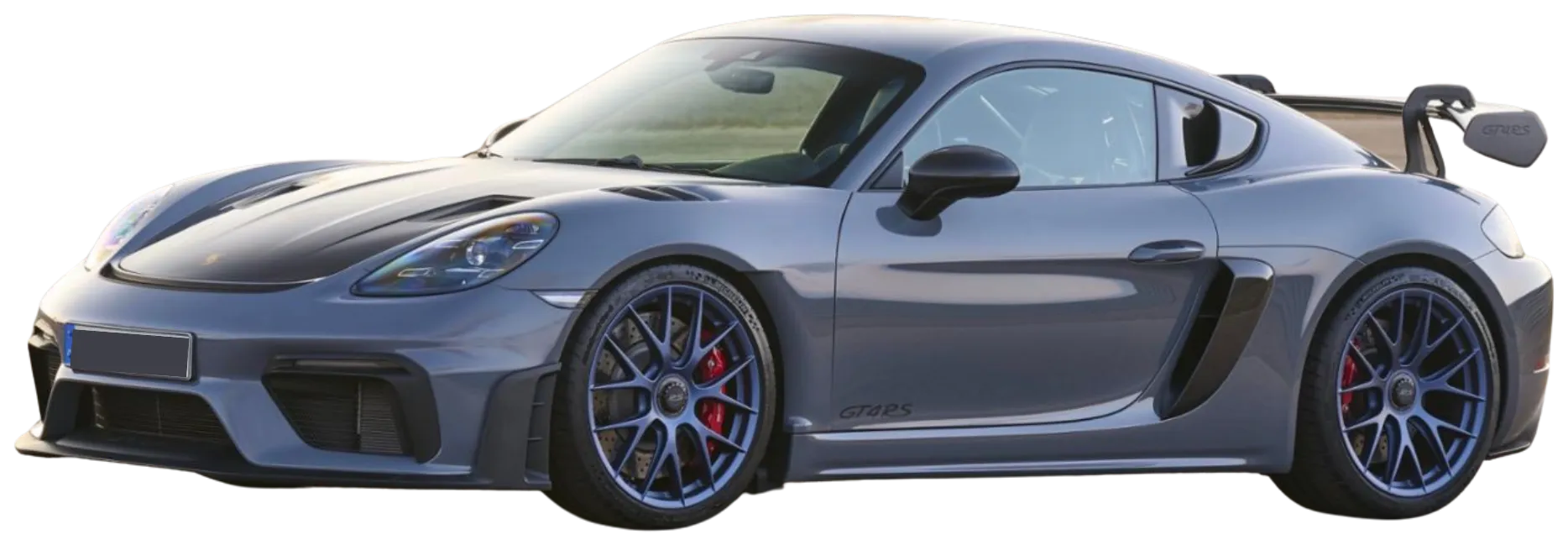 Boxster/Cayman (981/718) | Front-mounted dual side coolers | Stone damage to exposed cooling fin surfaces | 50,000-90,000 km |
Porsche coolant pipe and expansion tank replacement rank among the most common cooling services on Cayenne and Macan models. Both parts tend to fail after 80,000 km in hot climates.
05Process
Porsche radiator diagnostics start with a full check of every cooling part before any repair or swap choice is made.
A test tool loads the circuit to 1.4-1.8 bar while cold, and this Porsche radiator pressure testing step pinpoints leaks at seams and joints.
Heat camera scans check the core face for cold spots from blocks inside, where a healthy unit shows an even 8-12°C inlet-to-outlet temperature drop.
Porsche radiator leak repair fixes hose drips and core cracks with precise welding, while broken end-tanks and rusted cores need full Porsche radiator replacement.
After vacuum-filling with factory coolant at 50:50 ratio, a hot pressure hold with the AC repair system running confirms zero leaks under peak load.
06Repair or replace
The choice to repair or replace depends on the fault type, the unit's age, and total cost.
| Condition | Recommended Action |
|---|---|
| Single hose leak or loose clamp | Porsche radiator hose replacement and clamp tightening |
| Blocked core with no corrosion | Porsche radiator flush and reverse-flow cleaning |
| Bent fins from road debris | Porsche radiator cleaning, fin fixing, and surface work |
| Cracked plastic end-tank | Full replacement - welding fails again within 3-6 months |
| Internal corrosion or sludge buildup | Full replacement - rust spreads and returns after flushing |
| Transmission fluid mixing with coolant | Replace the unit and flush both circuits fully |
Porsche radiator fan repair also plays a role in the final choice. A fan motor pulling over 30 amps or making bearing noise needs a swap alongside the core. This stops repeat overheating.
07Schedule
The UAE's heat calls for a faster service schedule than what European guides suggest. Every cooling part wears down sooner in this climate.
| Service | Recommended Interval (Dubai) | Standard Interval (Temperate Climate) |
|---|---|---|
| Coolant strength and pH test | Every 6 months | Annually |
| Full coolant flush and refill | Every 24 months or 40,000 km | Every 48 months or 80,000 km |
| Radiator hose check | Every 12 months | Every 24 months |
| Radiator cap pressure test | Every oil change service | Every 24 months |
| Radiator surface cleaning | Every 12 months | Every 24 months |
| Cooling fan function test | Every 12 months | Every 24 months |
Always use clean, mineral-free water in the coolant mix. Tap water in the UAE has high mineral content that speeds up scale buildup and blocks the narrow tubes inside aluminum cores.
08Why us
A team of 52 trained staff with 10+ years of cooling work covers every model, and each tech holds factory-level training in Porsche thermostat replacement and radiator service.
A 4.5 Google rating across 2,554 reviews and 1,000+ cooling jobs shows steady quality, with follow-up calls after every service confirming the system maintains temperature under real driving conditions.
Every radiator, hose, and coolant we install meets factory specs for pressure, flow, and material grade, and Porsche water pump repair uses the same part numbers dealers stock.
A 4,108 m² facility with 18+ lifts and cooling-system bays handles same-day service on 90% of standard cooling jobs, with climate-controlled parts storage protecting seals before every fitting.
A driver picks up and returns your car at no extra cost with a service contract, and cars with overheating issues get flatbed pickup to prevent gasket damage.
Direct billing through 10+ insurance partners removes upfront costs for cooling system damage from road debris, crashes, or flooding, with all paperwork, approvals, and a free car wash included.
09Book
Our Porsche Repair Dubai facility offers free cooling system checks and same-day service on most cooling jobs. Every repair comes with a full pressure test, OEM-grade parts, and a 12-month warranty. Contact us to book radiator diagnostics, leak repair, or full replacement at our Al Quoz location.
10FAQs
Straight answers before you book. Still unsure? Ask the service advisor.
Ask a questionA standard replacement on sports models like the 911, Boxster, or Cayman takes 3-5 hours based on access and whether additional parts need work. SUV models like the Cayenne and Macan take 4-6 hours on average because of their bigger cooling loops and built-in transmission cooler links.
Small leaks from a single hose joint or one crack in the core respond well to a targeted fix. Broken end-tanks, heavy rust, and crash damage need a full swap. Patches on these faults fail again within 3-6 months.
Most models built after 2005 need G13 or G12++ coolant, a formula free of phosphates and based on organic acid chemistry. Mixing different types causes the fluid to gel up and block cooling tubes. Our team checks the right spec for every model year before filling.
A blocked radiator runs hot at the top but stays cool or warm at the bottom. A heat camera scan shows the blocked zone in minutes. Flow rate testing then shows how much the block cuts flow next to factory levels.
A bad radiator starts a chain of damage across the full cooling circuit. Low flow wears out the water pump bearing. Constant heat breaks down the thermostat. Pressure leaks damage hose joints. Fixing faults early stops 60-70% of follow-on cooling failures.
No. The system runs under up to 1.5 bar, and opening it hot releases coolant above 100°C as a jet of steam. Wait at least 30 minutes after switching off, then open the expansion tank cap slowly with a cloth over it.
Aftermarket coolant that meets the G12++ or G13 spec works the same as dealer fluid in lab tests and real driving. The key factor is the spec match, not the brand. Our team checks before filling any car to avoid bad reactions in the cooling system.