Squealing Or Grinding Noise
Squealing or grinding usually means the pads are worn down to the wear indicator or metal backing plate. Ignoring it lets damage spread to the disc surface, turning a simple pad job into a costlier repair.
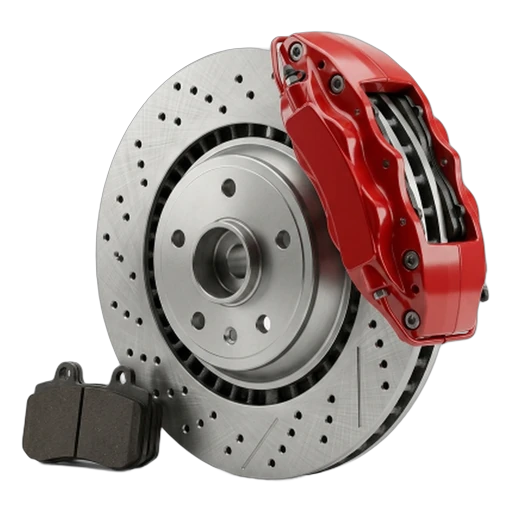
A grinding noise, a soft pedal or a warning light should never be ignored on a Porsche. Our certified Porsche repair workshop treats every braking fault seriously, pairing skilled technicians and upfront pricing so driving confidence stays high and no invoice holds a surprise.
01Warning signs
Squealing or grinding usually means the pads are worn down to the wear indicator or metal backing plate. Ignoring it lets damage spread to the disc surface, turning a simple pad job into a costlier repair.
Soft, spongy or sinking pedal feel often points to air or moisture trapped inside the brake lines. The same fault can come from a worn master cylinder, so a hydraulic check is needed before replacing parts.
Vibration through the pedal or a pull to one side signals an uneven disc surface, a sticking caliper or poor wheel alignment. Left unchecked, this pattern accelerates wear and can throw off the whole axle's balance.
Burning smell after hard or repeated braking means the pads or discs are overheating well beyond their safe operating range, and continuing to drive risks glazing the pad surface and permanently shortening the lifespan of the rotors.
An ABS, brake or parking brake warning light on the dashboard means a stored fault code somewhere in the system. Even a short delay in diagnosis can let the underlying issue worsen into a costlier repair.
Noticeably longer stopping distance signals worn pads, degraded fluid or a steady loss of hydraulic pressure in the brake lines. This symptom develops gradually, making it easy to miss until braking performance drops sharply under load.
02Services
Front brake pad replacement and rear brake pad replacement both begin with measuring wear, then fitting new pads with sensors reset properly.
Measuring thickness and runout determines whether to choose brake disc replacement, brake rotor replacement or brake disc resurfacing, with the right option fitted properly. Each disc carries its minimum thickness stamped on it, and steel discs usually last two sets of pads.
Sticking or leaking calipers determine whether to choose brake caliper repair or brake caliper replacement, chosen once corrosion or seal damage is confirmed properly.
A brake fluid change or a full brake fluid flush is scheduled once testing shows the boiling point has dropped too low. Fresh DOT 4 boils above 230°C, but absorbed moisture can pull it towards 155°C, so we change it every 2 years regardless of mileage.
Cracked fittings call for brake line repair, while swollen or visibly aged rubber lines call for a full brake hose replacement instead.
ABS repair starts with ABS diagnostics on dealer-level software, and an ABS sensor replacement clears the fault once a sensor truly fails.
Electronic parking brake repair covers motors, switches and wiring, while a mechanical parking brake repair adjusts cables so the handbrake holds firmly.
Triggered pad sensors are replaced alongside new pads so the dashboard warning clears properly and the system reads accurate thickness data again. A sensor that has triggered once is worn through inside and cannot be reused.
Dashboard brake warnings are scanned with dealer-level tools, and the stored code is traced to the exact sensor, module or wiring fault.
Grinding, squealing or scraping sounds are traced to their exact source, whether a worn pad, a scored disc or loose mounting hardware.
Sinking pedal feel when pads and fluid test fine usually points to a failing master cylinder, confirmed through bore and seal checks.
Reduced pedal assist usually traces to a vacuum leak or a failing booster diaphragm, both confirmed through pressure and pedal response testing.
03Brake systems
Not every braking system on these cars is built the same way, and treating them as identical leads to the wrong parts and the wrong price. Before any quote is confirmed, the fitted system is identified against the model and generation.
Most Cayenne, Macan and base 911 models run steel discs paired with specification-matched pads, and standard pad and disc work covers nearly every steel-brake repair job we handle.
PSCB discs use a tungsten-carbide coating that resists corrosion and dust far better than steel, so matching coated pads and discs are fitted rather than generic steel parts.
PCCB rotors run far lighter than steel under heavy thermal load, and a confirmed PCCB ceramic brake replacement always follows careful inspection of the carbon-ceramic disc condition first. These discs wear by losing mass rather than thickness, so we weigh each one against the minimum weight marked on it.
04Process
The brake system is inspected on a lift, pads and discs are measured, and a computer scan checks for stored ABS or sensor fault codes before any conclusion is reached.
A fixed, itemized quote covering parts, labor and estimated time is shared before work begins, so there are no surprise charges once the car is on the lift.
Certified technicians carry out the approved repair using factory torque specifications and the correct bleeding procedure for the fitted brake system, steel, PSCB or PCCB.
Every repair ends with a road test, a final pedal-feel check and a walkthrough of the completed work before the keys are handed back to the owner. New pads and discs need about 200 km of moderate braking to bed in, and we explain how to drive those first days.
05Why us
We maintain a 4.5 star rating backed by 2,554 verified customer reviews, reflecting consistent repair quality, honest communication and dependable brake service trusted by owners across Dubai daily.
With over ten years of hands-on experience with this brand, our technicians have handled nearly every brake fault across the 911, Cayenne, Macan, Panamera, Taycan and Boxster lineup.
More than 1000 owners across Dubai have trusted our workshop for brake repair, choosing us as a reliable, cost-effective alternative to the official dealership service network every time.
Book a service contract and enjoy free pickup and drop-off by our own driver, plus a free car wash included with every brake repair job we complete.
Our 4,108 square meter facility runs 18 hydraulic lifts across the bays, supported by 52 technical staff covering mechanical, body and paint work across every model we service.
Every repair uses genuine OEM parts, backed by clear service contracts and support from over 10 insurance partners, giving owners lasting confidence in every brake repair we complete.
06Models
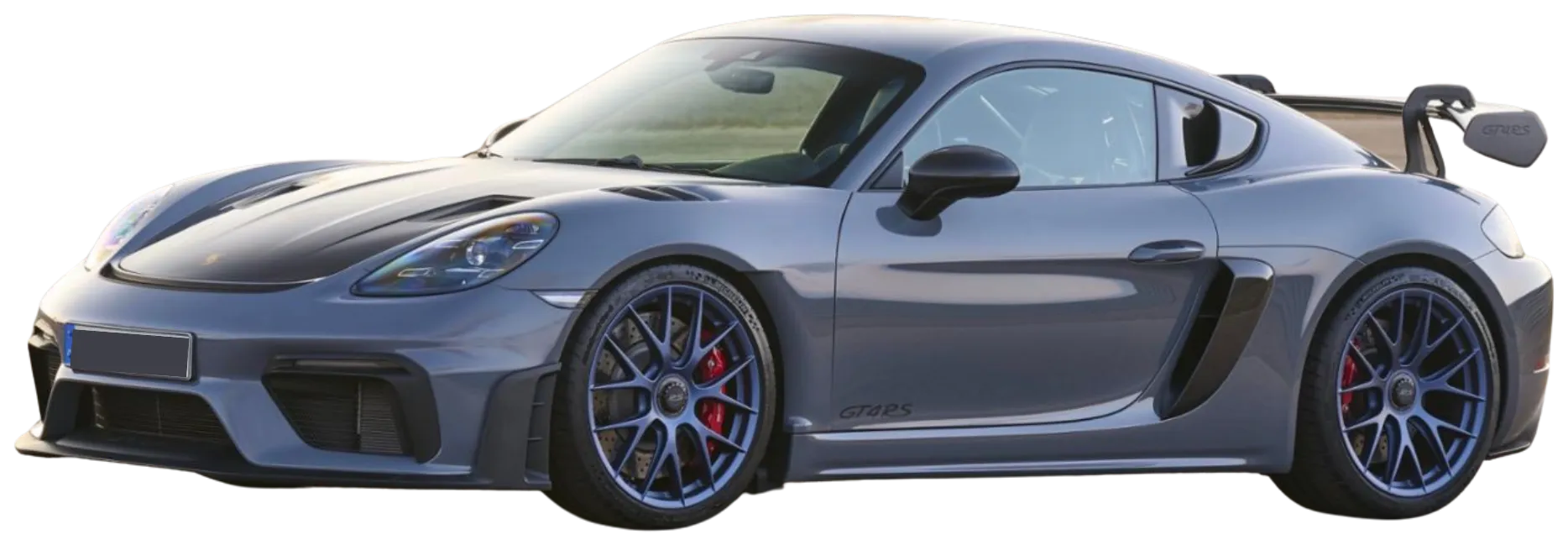
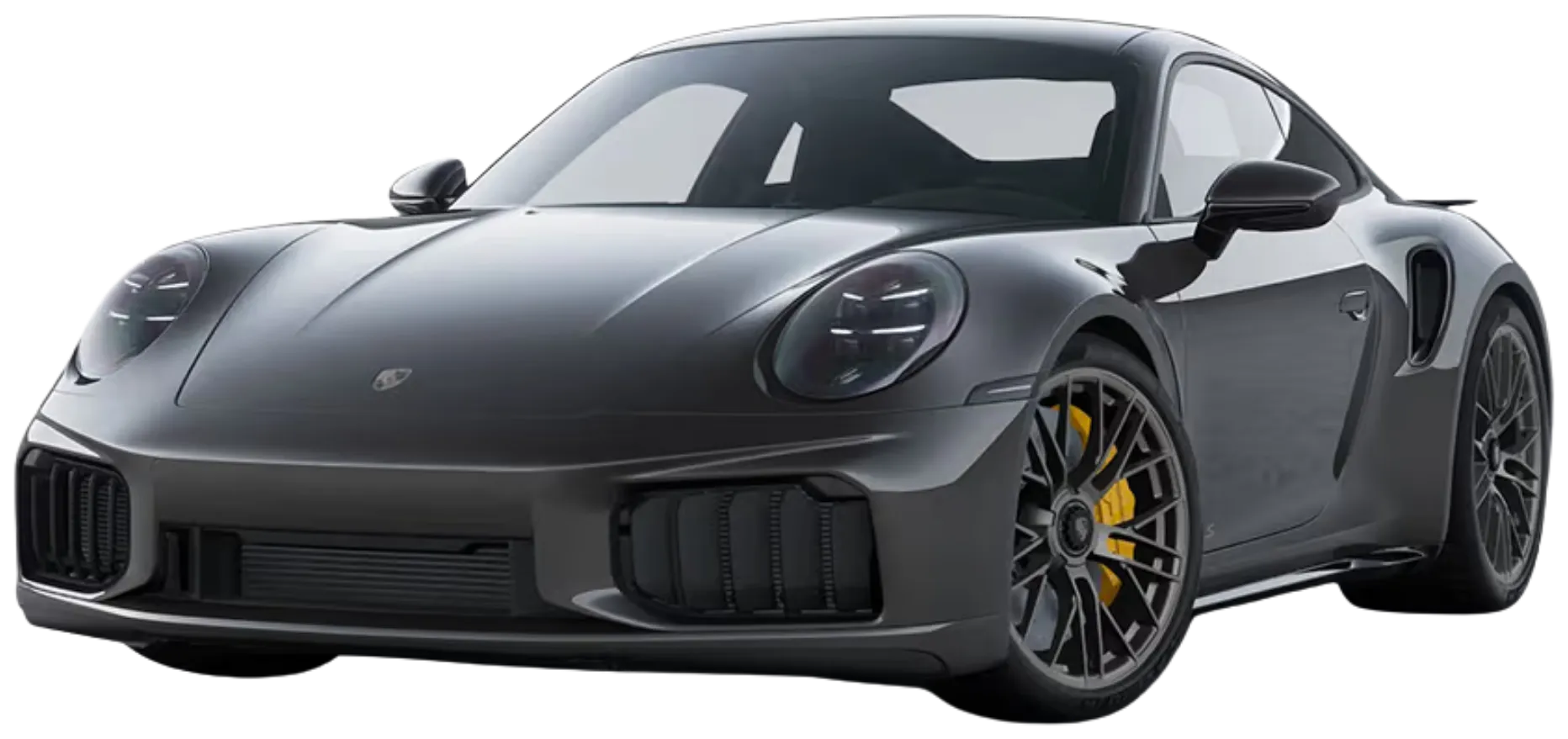
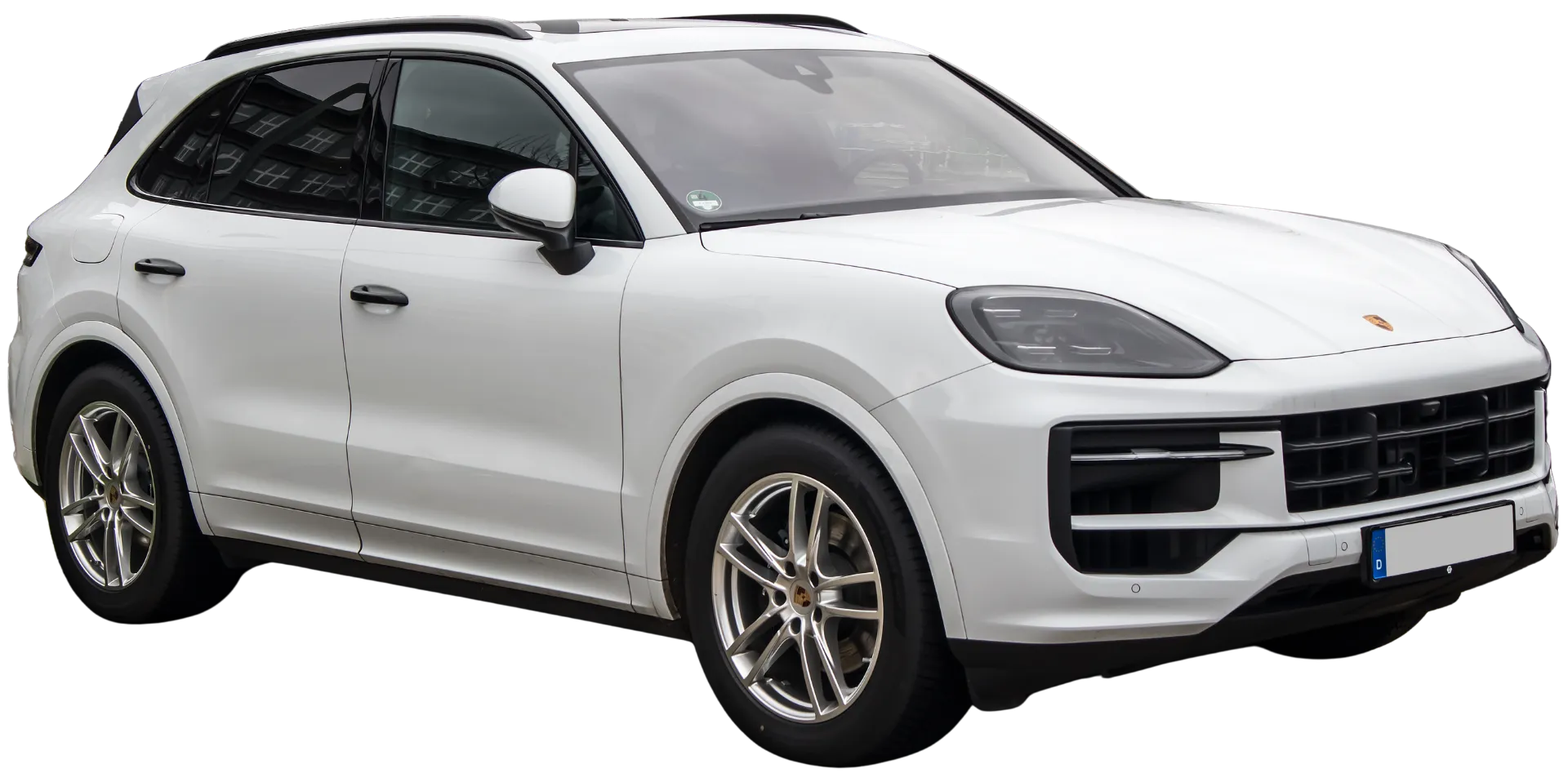
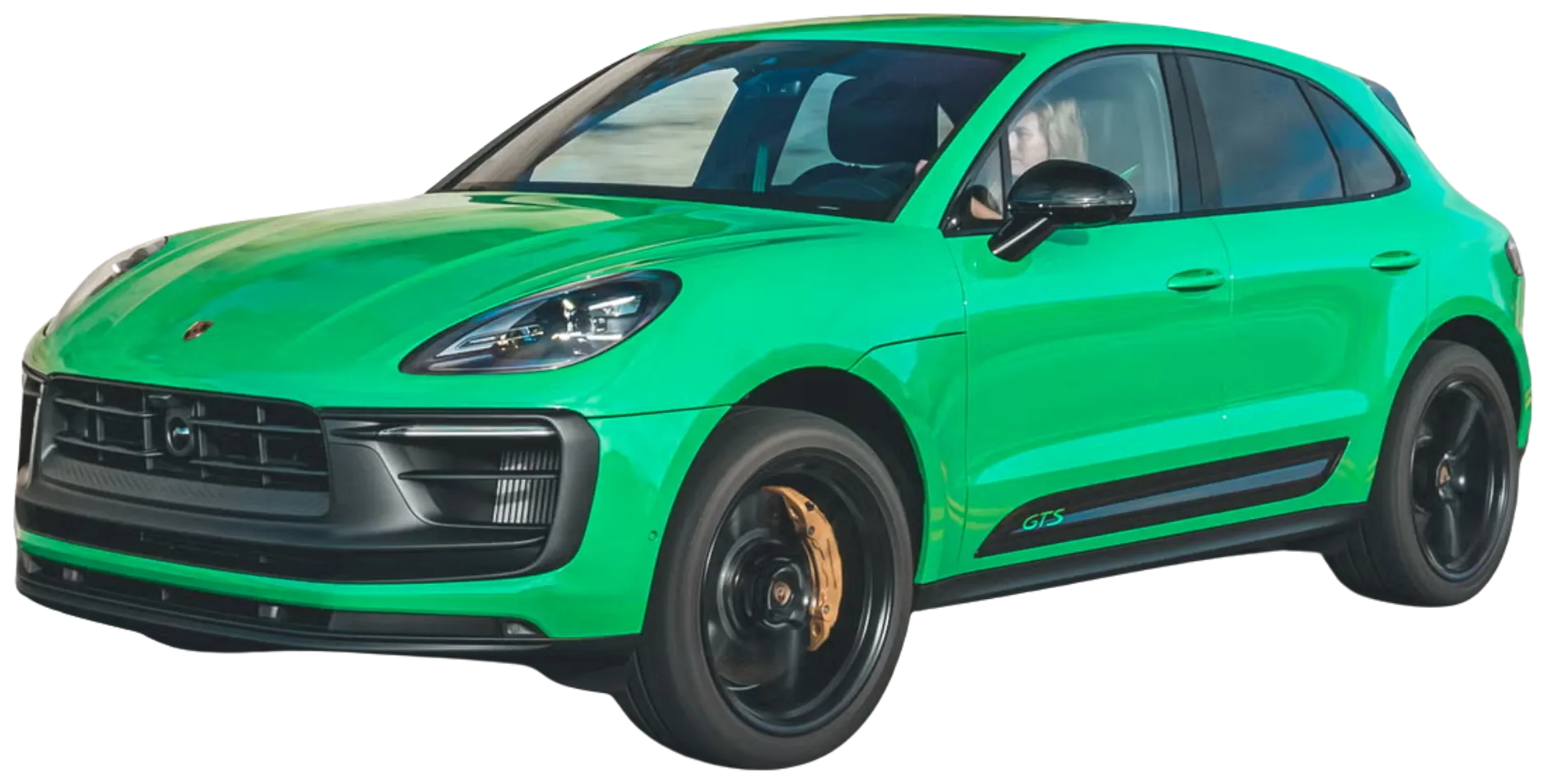
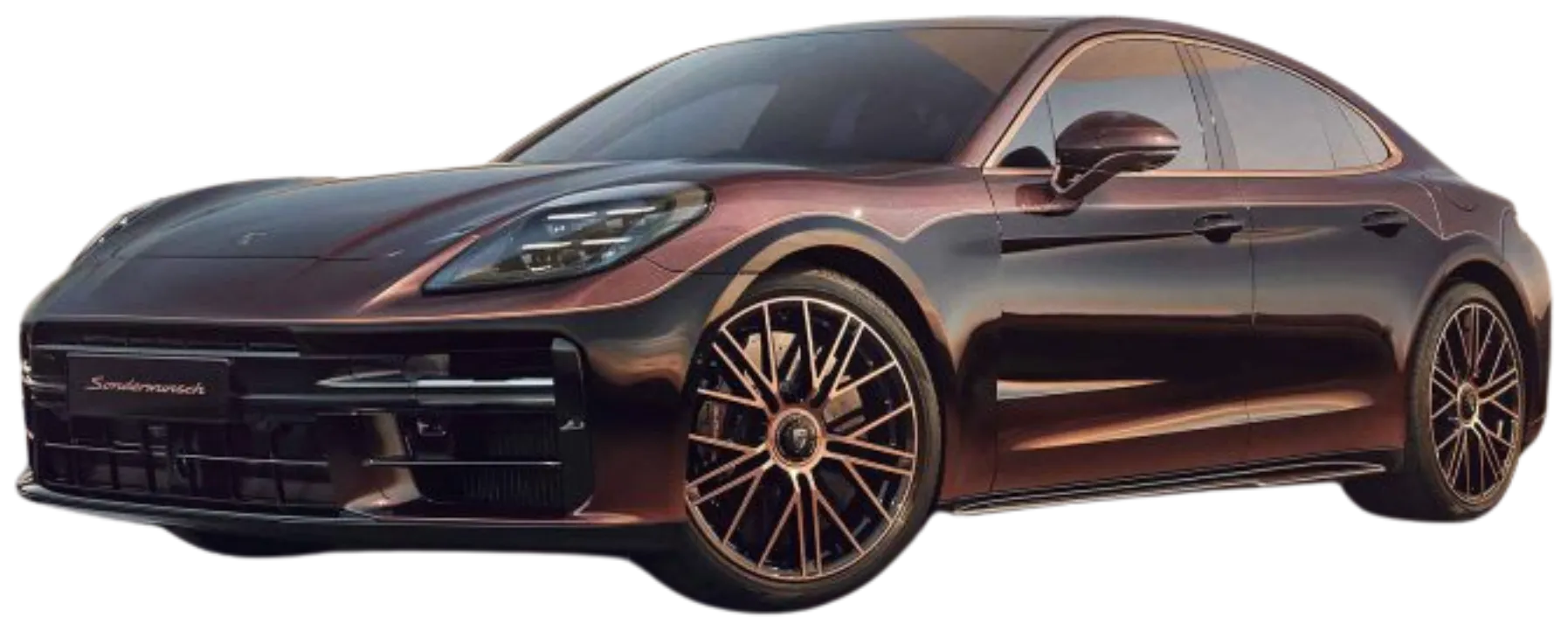
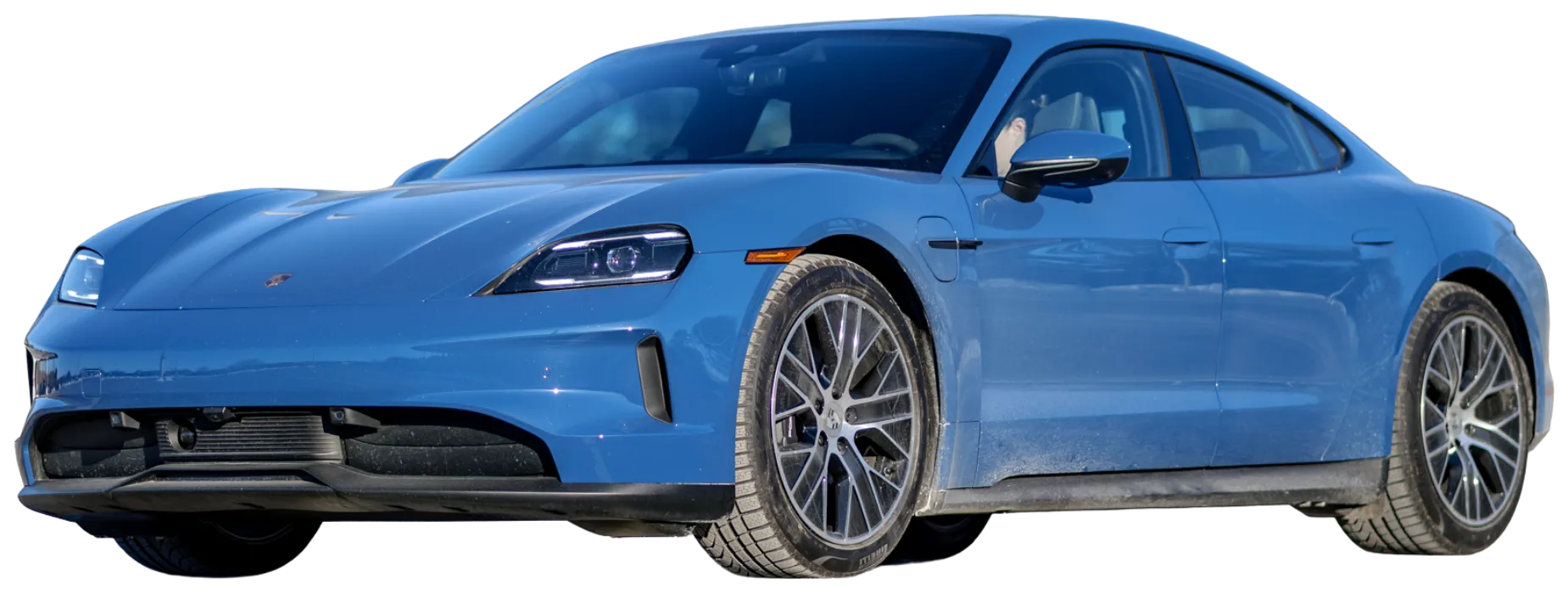
Brake repair is available for every current and classic model in the range. Each generation uses a different caliper mount, disc size and sensor layout, and technicians are trained to match the specification of each one.
07Symptom guide
| Symptom | Likely Cause | Recommended Check |
|---|---|---|
| Squealing noise | Worn pad wear indicator or glazed pad surface | Pad thickness and disc surface inspection |
| Grinding noise | Pad fully worn, metal-to-metal contact | Immediate pad and disc inspection |
| Soft or sinking pedal | Air in the lines or degraded brake fluid | Fluid condition test and system bleed |
| Vibration while braking | Warped or uneven disc surface | Disc runout measurement |
| Pulling to one side | Sticking caliper or uneven pad wear | Caliper movement and brake balance check |
| Warning light on dashboard | Sensor fault, low fluid or worn pad sensor | Computer diagnostic scan |
08Book
Call or WhatsApp the model, year and symptom for a written quote before any work begins. Porsche brake repair Dubai owners trust starts with the right diagnosis, and every job here follows that principle.
09FAQs
Straight answers before you book. Still unsure? Ask the service advisor.
Ask a questionPricing depends on the affected axle, whether the car uses steel, PSCB or PCCB discs, and whether pads alone or pads with discs are needed. Fluid condition also plays a role, since moisture lowers the fluid's boiling point over time. A written quote is always shared after inspection, before any repair work starts.
Most pad and disc jobs are completed within a few hours on the same day. Caliper, ABS or parking brake faults may take one to two working days depending on parts availability and diagnosis.
Yes, every repair uses genuine OEM parts matched to the fitted brake system, whether that is standard steel, PSCB or PCCB, so performance stays consistent with factory specification.
No, a soft or sinking pedal usually means air or moisture in the brake fluid, and continuing to drive raises the risk of sudden brake fade under hard braking.
Yes, both ceramic composite and surface-coated systems are serviced here, with parts and procedures matched to the fitted specification rather than a generic steel-disc estimate.
Brake fluid absorbs moisture from the air over time, which lowers its boiling point and raises the risk of vapour lock under heavy braking. Research published by SAE International confirms that even a few percent of moisture content can drop a DOT 4 fluid's boiling point below safe levels (SAE International, 2001). A moisture test at each service gives the exact answer for each car.
PCCB uses carbon-ceramic rotors that are significantly lighter and handle higher heat than steel, making them common on performance trims like the 911 Turbo and GT models. Standard steel discs suit daily driving and cost considerably less to replace when worn, which is why most Cayenne, Macan and Panamera owners stay with steel.
Stop-and-go traffic and high ambient temperatures increase thermal stress on pads and discs, which can shorten their lifespan compared to cooler climates. Regular inspection every 15,000 to 20,000 km catches wear early before it turns into a more expensive repair.
Aftermarket pads from reputable manufacturers can match OEM performance on standard steel-brake systems when the specification is verified first. PSCB and PCCB setups need factory-matched components because incorrect pads risk permanent damage to the coated or ceramic disc surface.