Whining from the fuel tank area
A healthy pump runs quietly. A rising whine at idle or with windows down signals worn bearings inside the unit. This noise gets louder over weeks before the pump fails.
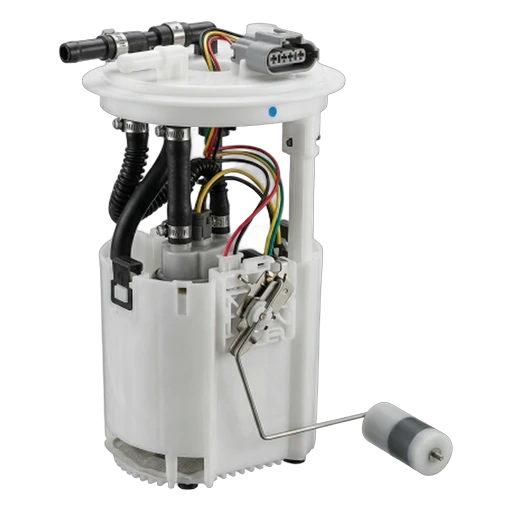
Porsche Repair Dubai is a specialist facility built around one brand and every system inside it. Our technicians handle fuel system testing, pressure checks, and part-level replacement for every Porsche model in the current and recent lineup. Clients trust this team because every repair starts with measured data and ends with verified results under real driving conditions.
01Symptoms
A failing fuel pump moves through 3 stages: weakening under load, cutting out during hot conditions, and full failure where the engine cranks but does not start. According to a 2021 study published in FME Transactions, the fuel system accounts for 25-50% of all vehicle failures. Catching these warning signs early prevents breakdowns and costly engine repair work.
A healthy pump runs quietly. A rising whine at idle or with windows down signals worn bearings inside the unit. This noise gets louder over weeks before the pump fails.
The pump cannot push enough fuel at higher RPM. Stumbling or surging between 3,000 and 5,000 RPM points to low fuel flow under heavy throttle.
Heat causes a weak pump to vapor-lock. The engine cranks longer than 3-4 seconds before catching, mostly after short stops in hot weather.
Merging onto a highway or climbing a grade needs peak fuel flow. A worn pump drops pressure below 40 PSI in these moments and causes brief power dips.
The pump shuts off mid-drive and cuts fuel supply. The engine dies and only restarts after cooling down for 5-10 minutes, which confirms a heat-related pump failure.
Driving above 120 km/h needs a steady fuel supply. A weak pump delivers fuel in bursts, causing sputtering that comes and goes.
Wrong fuel pressure forces the ECU to adjust injector timing. A 10-15% rise in fuel use with no change in driving habits points to pump wear.
Trouble codes P0087 (fuel rail pressure too low) and P0230 (fuel pump circuit fault) directly point to pump or circuit failure.
02Services
Full electric fuel pump module removal and OEM-grade installation, with strainer, seal, and lock ring matched to factory part numbers.
Targeted in-tank fuel pump replacement through the service hatch, keeping the tank and sender unit in place when only the pump motor has failed.
Engine-mounted high-pressure fuel pump removal and reset to factory rail pressure specs for full direct-injection system output and response.
Fuel pump relay, fuse, and terminal testing with part replacement, restoring the power circuit without the cost of a full pump module.
Inline fuel filter and in-tank strainer sock swap to clear flow blocks that shorten pump life and starve the engine of fuel.
Internal sediment removal, rust cleanup, and full tank flush before new pump fitting prevents repeat failure within months of service.
Faulty sensor testing and replacement restores correct ECU readings, fixing fuel delivery errors that look like pump failure under all load levels.
Full fuel supply and return line check for cracks, leaks, and blocks prevents pressure loss between the tank and fuel rail.
03Dubai conditions
Dubai's climate and driving patterns speed up Porsche fuel pump wear beyond what normal service intervals cover. The electric fuel pump sits inside the fuel tank and relies on the fuel around it for cooling. Five factors lead to early failure in this region.
04Diagnosis
A calibrated gauge connects to the Schrader valve on the fuel rail and records output at idle and under load. Readings below 45 PSI at idle or below 50 PSI at 3,000 RPM confirm pressure loss.
A pump can hold normal pressure but still deliver only 30 liters per hour instead of the needed 60+ liters. That starves the engine under load. Volume testing at rising RPM levels reveals this hidden problem.
The pump relay, fuse, wiring harness, ground wire, and fuel pump control module each get tested one by one. A relay fix costs AED 150-300 compared to AED 1,500-4,000+ for a full pump module.
Rust, sediment, and old fuel residue inside the tank destroy new pumps within months if left in place. Checking the tank before fitting a new pump finds the root cause of the original failure.
05Process
Our technicians follow a model-specific process matched to each vehicle's tank layout and fuel system design.
Fuel rail pressure bleeds down through the relief valve safely. Residual fuel in the lines gets captured to prevent vapor buildup inside the service bay.
Models with under-seat hatches allow direct pump access. Rear-engine and mid-engine Porsche variants need partial or full tank removal to reach the pump module.
A new OEM-grade pump, strainer, seal, and lock ring are fitted to factory torque specs. Bosch units rated at 500 kPa and 175 L/hr match each model exactly.
Pressure testing confirms 45-55 PSI at idle and stable readings under load. Leak checks, DTC code clearing, and a road test complete the job.
06Models
| Model | Engine Variants | Fuel System Type | Common Pump Issues |
|---|---|---|---|
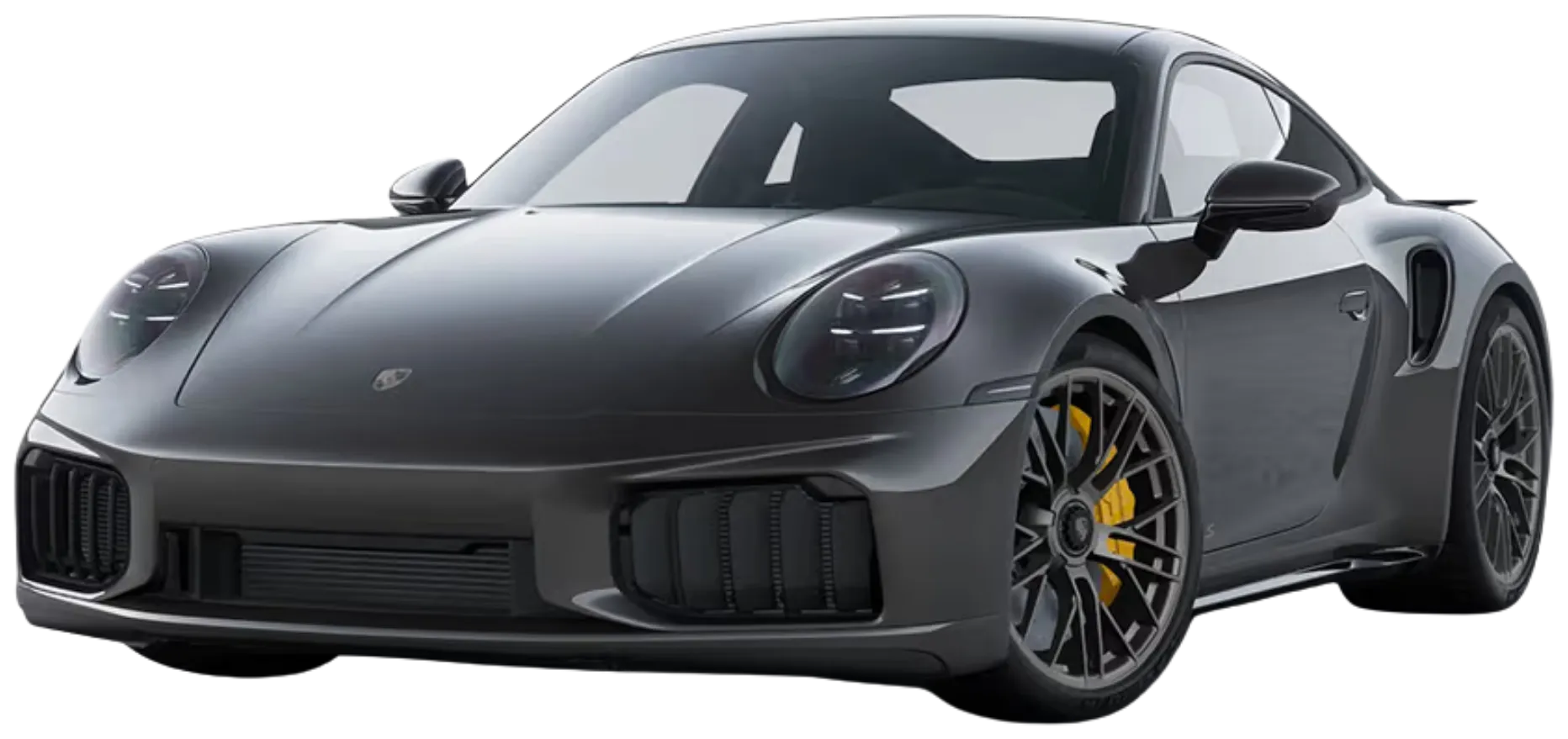 911 (991, 992) | 3.0L Twin-Turbo, 3.8L, 4.0L | Direct injection, in-tank low-pressure + engine-mounted high-pressure | Vapor lock in rear-mounted tanks, strainer clogging |
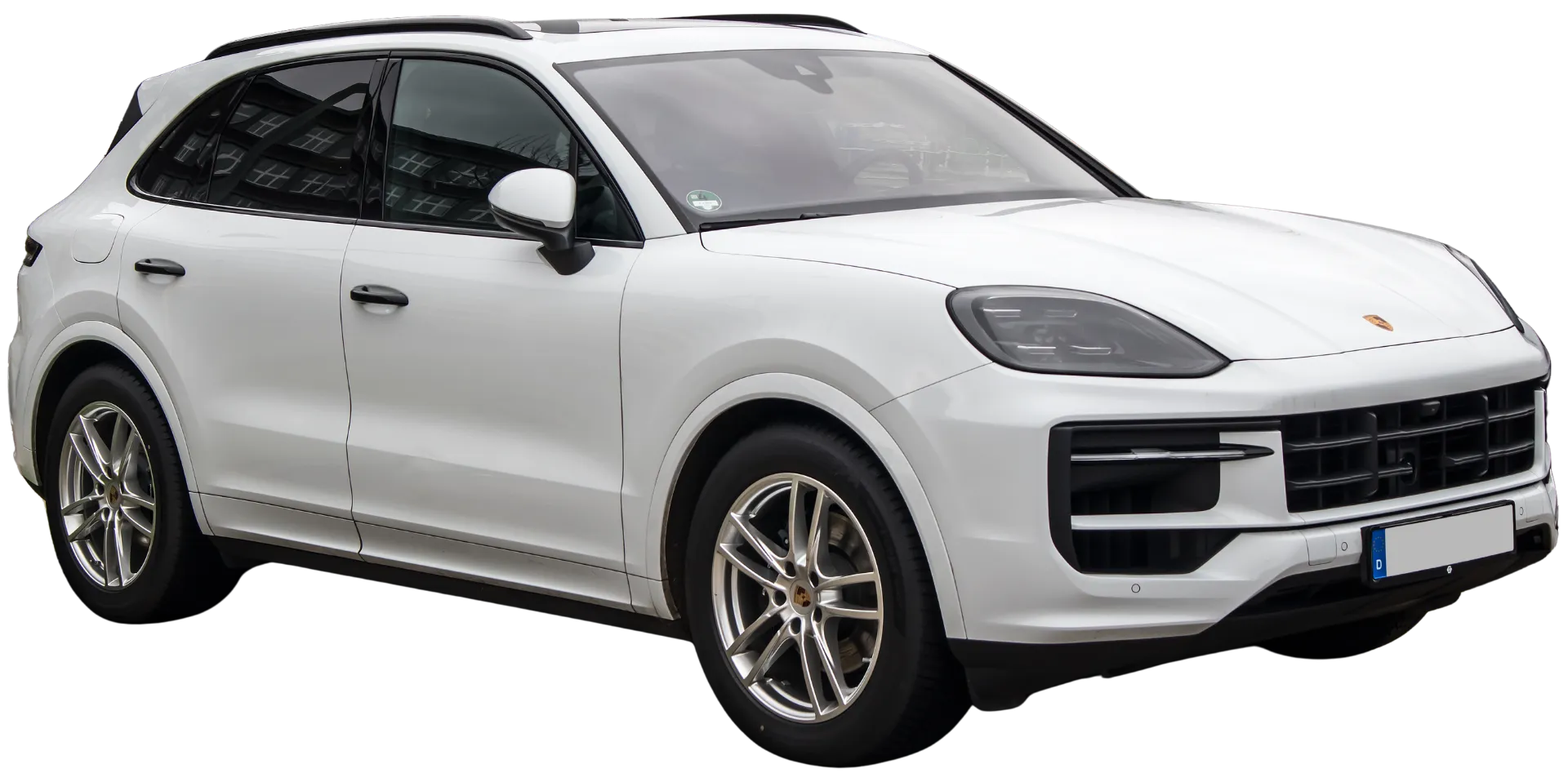 Cayenne (E3, 9YA) | 3.0L V6, 4.0L V8, Hybrid | Direct injection, dual-pump saddle tank | Dual pump failure on AWD variants, sender unit corrosion |
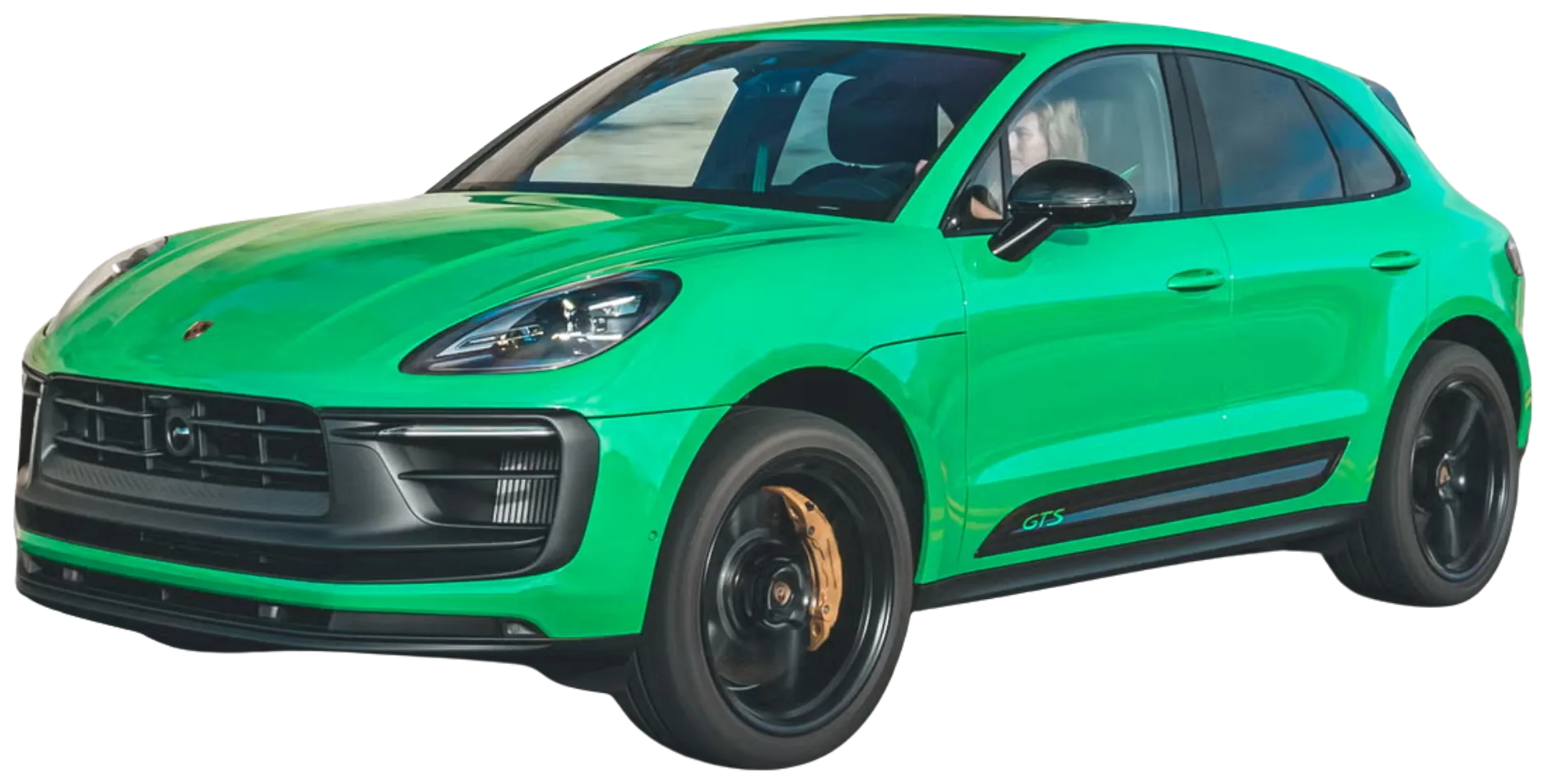 Macan (95B) | 2.0L Turbo, 2.9L V6 | Direct injection, single in-tank pump | Strainer blockage, relay failure |
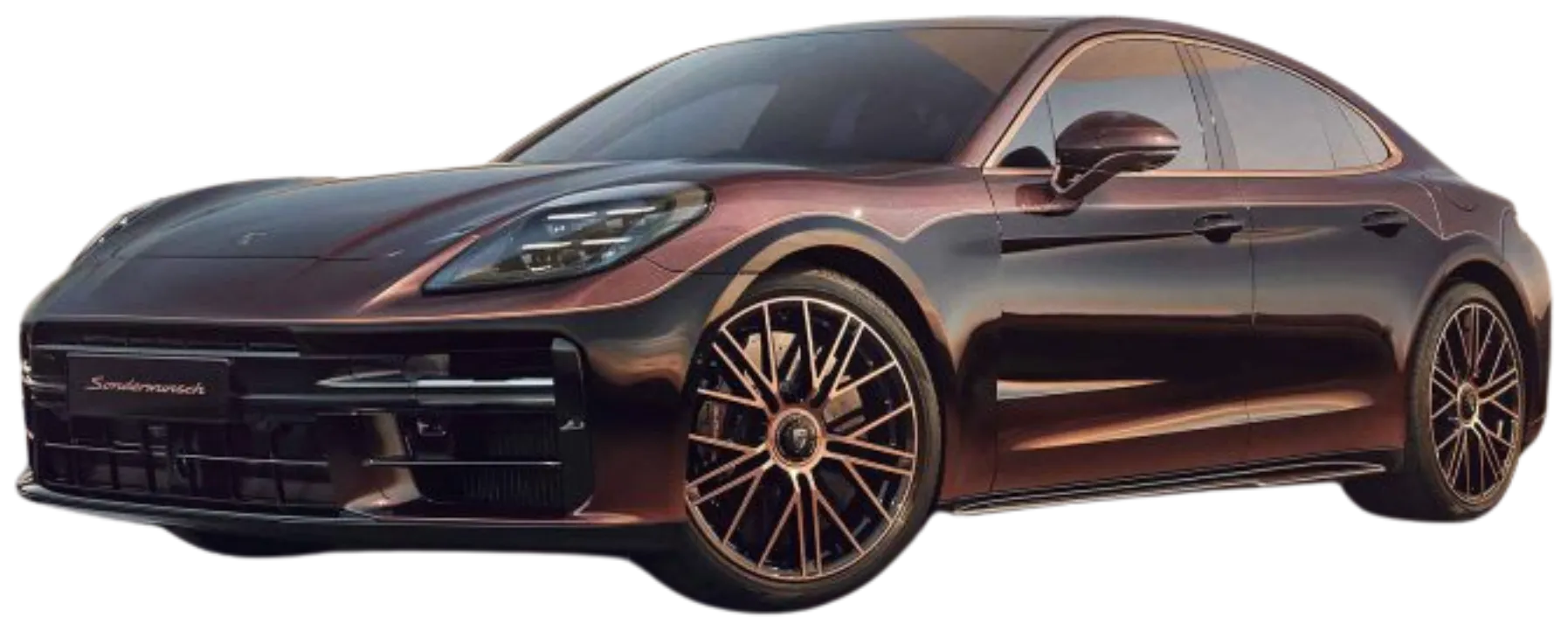
| Panamera (971) | 2.9L V6, 4.0L V8, Hybrid | Direct injection, saddle tank configuration | Fuel pump control module faults, wiring degradation |
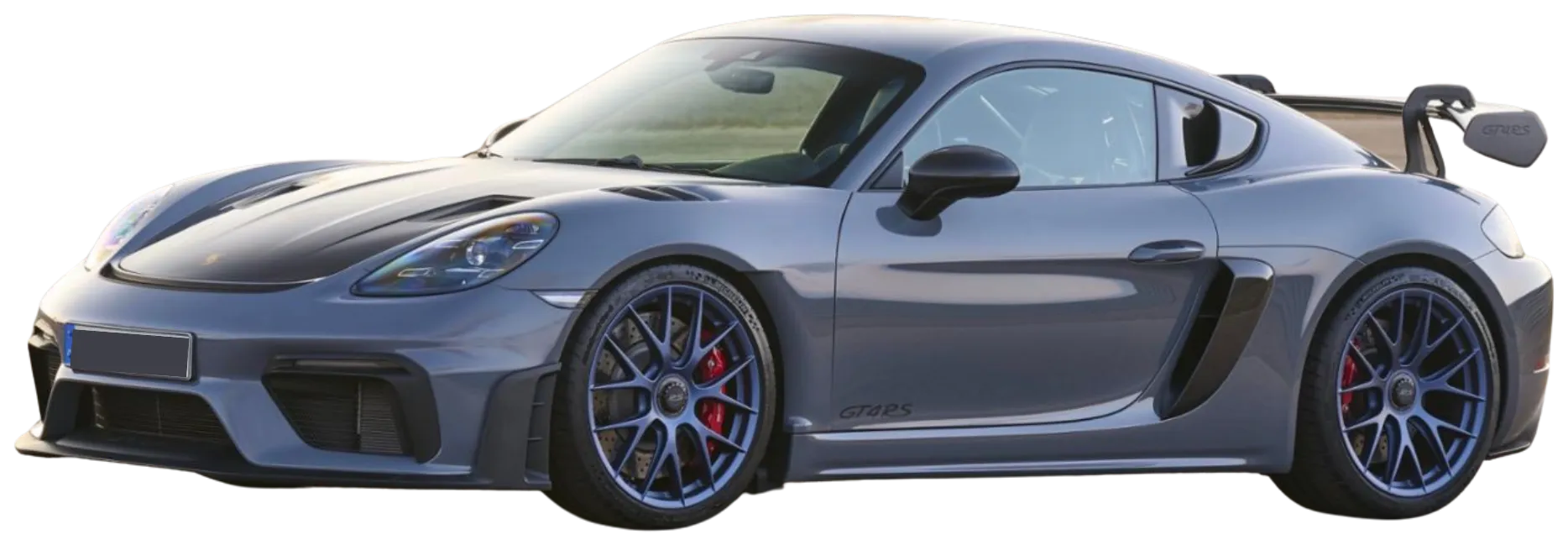 Boxster/Cayman (718) | 2.0L, 2.5L Flat-4 Turbo, 4.0L Flat-6 | Direct injection, mid-engine tank access | Tank removal required, heat soak in mid-engine bay |
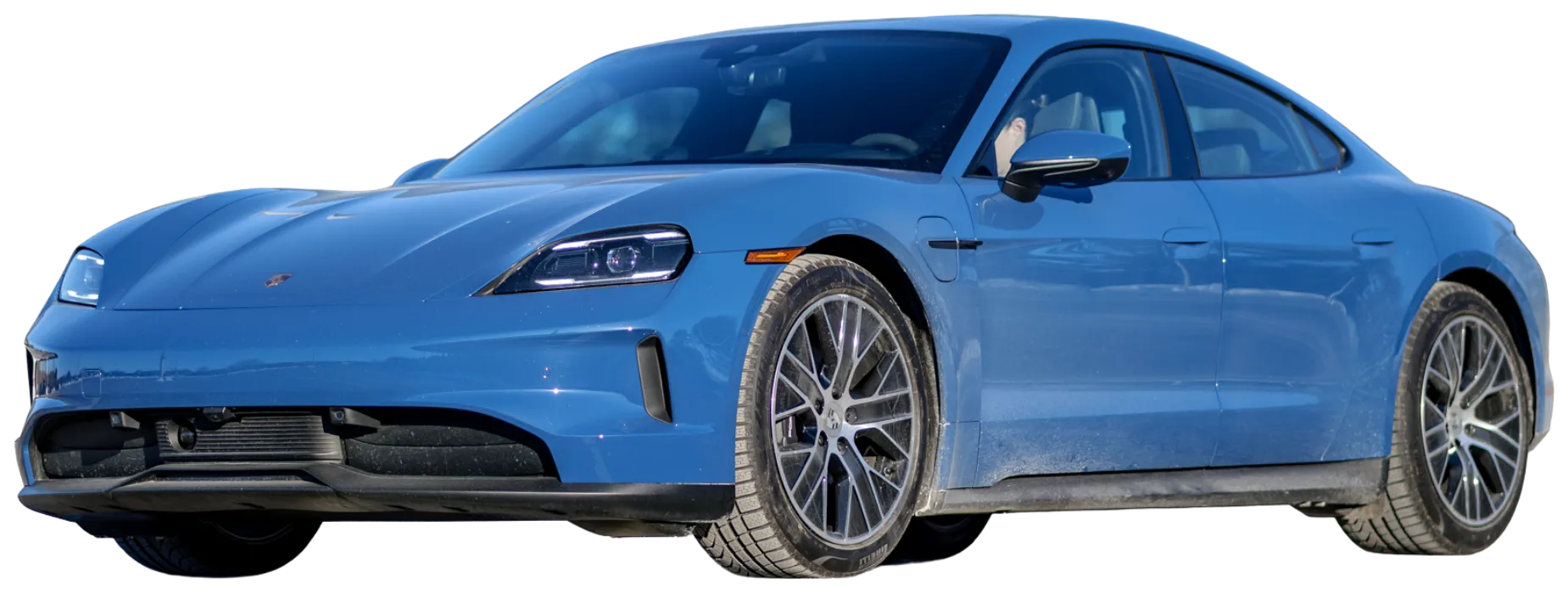 Taycan | Electric (no fuel pump) | N/A | N/A |
Each model has a different tank layout, pump design, and access method. A Cayenne saddle tank holds 2 separate pumps, while a 911's rear-engine setup needs a specific tank drop process. The low-pressure fuel pump feeds the engine-mounted HPFP in every direct-injection Porsche, and both parts need model-matched units for correct delivery between 60 and 250 liters per hour.
07Rule out first
Replacing a Porsche fuel pump without confirming the actual fault wastes AED 1,500- 4,000+ and leaves the real issue in place—these 6 conditions cause the same symptoms as a dead pump.
A blown relay or corroded fuse socket cuts power to the pump. The engine cranks, gets no fuel, and acts exactly like a pump failure. Relay testing takes under 10 minutes and costs far less than a full module swap.
Humidity and salt air corrode the ground and power wires between the relay and pump. Voltage drop testing across the harness finds the weak points that starve the pump of current. The pump itself stays intact while the circuit around it fails.
A clogged filter blocks flow downstream of a working pump and drops rail pressure. The pump runs fine, but fuel cannot reach the injectors at the right volume. A filter swap restores flow without opening the tank or touching the pump.
Carbon buildup on direct-injection nozzles blocks fuel spray and causes misfires that feel like a pump issue. Injector flow testing tells nozzle faults apart from pump faults and points to the right fix. This happens in direct-injection engines after 60,000- 80,000 km without cleaning.
The control module sets pump speed based on engine demand from the ECU. A faulty module sends wrong voltage signals, making the pump run too slowly or cut out at random. The pump itself works fine but gets the wrong commands.
A blocked EVAP vent valve creates a vacuum inside the tank that chokes fuel flow. The pump works against this negative pressure and delivers less fuel at every RPM. Loosening the tank cap for a moment relieves the symptom if this is the cause.
08Why us
A team of 52 staff across mechanical, electrical, and body repair sections works inside a 4,108 m2 facility with over 18 hydraulic lifts for same-day service capacity.
A 4.5-star rating across 2,554 verified reviews and 1,000+ returning clients confirms steady quality over 10+ years of Porsche-focused work in this market.
Every fuel pump module, strainer, seal, and relay comes from OEM-approved suppliers like Bosch and Continental, matched to factory specs for each model and engine type.
Free vehicle pickup and drop-off by a driver runs under every active service contract. Stalled vehicles get collected from anywhere in the city at no extra charge.
Same OEM parts and factory-grade tools deliver equal repair quality at rates 30-40% below the authorized centre. Service contracts and regular oil change visits cut per-service cost even further.
Over 10 insurance partners accept invoices directly from our facility. In-house staff handle fuel system claims without needing outside approvals or third-party delays.
09Book
A Porsche fuel pump that whines, hesitates, or stalls once repeats the failure at a worse moment. Bring your vehicle to our Al Quoz facility, or book a free pickup through your service contract. We test, confirm, quote, and replace in the same visit.
10FAQs
Straight answers before you book. Still unsure? Ask the service advisor.
Ask a questionThe cost depends on the model, tank access method, and whether parts like the strainer, filter, or relay need replacing alongside the pump. A fixed quote follows testing, with no hidden charges.
Models with under-seat service hatches take 2-3 hours. Rear-engine and mid-engine models needing a tank drop take 3-4 hours. AWD saddle-tank setups with dual pumps add about 1 extra hour.
A faulty relay or blown fuse cuts power to the pump and creates the same symptoms: no start, stalling, and zero rail pressure. Our team tests the circuit first because a relay check takes under 10 minutes and costs far less than a pump swap.
Pressure drops during highway merging, overtaking, and hill climbing create a stalling risk at speed. Running a weak pump also forces the engine to burn lean, which speeds up wear on pistons, injectors, and exhaust repair parts.
A dirty filter puts stress on the new pump from day one and cuts its lifespan. We include the filter in the quoted scope when testing shows any flow restriction.
OEM-grade modules from Bosch, Continental, and Pierburg go into every Porsche service at our facility. Each pump is matched by part number to keep factory pressure and flow specs intact.