Louder or raspier note
A leaking joint, cracked pipe or sports valve stuck in the open position lets untreated gases escape and raises noise levels.
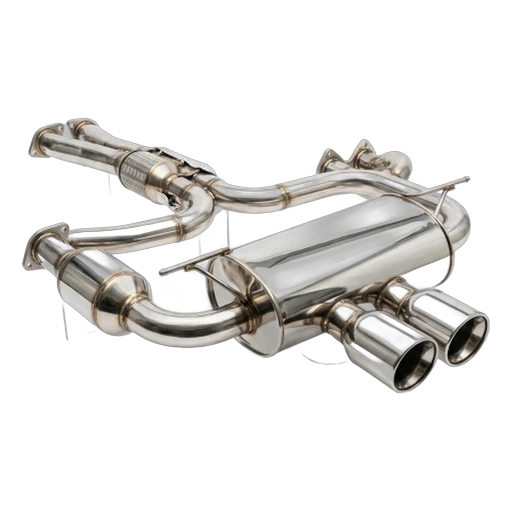
A failing exhaust changes how your car sounds, runs and passes inspection. Cracked manifolds, seized valves, corroded pipes and blocked filters need a trained hand and the right tools. Our OEM-trained technicians diagnose and fix every component in a fully equipped facility with over 18 lifts and 52 technical staff.

01Warning signs
Book an inspection once you notice any of these signs:
A leaking joint, cracked pipe or sports valve stuck in the open position lets untreated gases escape and raises noise levels.
A cracked manifold or blown manifold gasket leaks at the header flange and usually gets louder before the engine warms up.
A loose heat shield, worn clamp or broken catalyst core creates a tinny vibration that shifts with engine speed.
A failing catalyst or an engine running rich produces hydrogen sulphide, which carries a sharp sulphur odour near the tailpipe area.
Catalyst efficiency codes, oxygen sensor faults, valve errors or filter warnings all trigger the same dashboard warning lamp.
A blocked catalyst or clogged particulate filter raises back-pressure, forcing the engine to work harder on less air.
Worn rubber hangers let pipes sag and strike the underbody, especially over speed bumps and rough road surfaces.
Carbon monoxide seeping into the cabin through a leak is colourless and odourless, making a recurring headache a serious warning.
02Services
Fault codes, live sensor data and a smoke test pinpoint where sound, fumes or performance loss starts before any part is removed.
Cracked joints, blown gaskets and corroded seals are welded, resealed or replaced so gases stay inside the system and away from passengers.
Warped flanges get resurfaced and new heat-resistant gaskets fitted to stop the cold start ticking and power loss from cracked headers.
Efficiency is tested with live O2 data first. Clogged units are cleaned when possible, and failed converters receive new OEM-grade catalyst units. A catalyst only starts cleaning gases above roughly 250°C, so constant short trips leave it cold and fouled.
Voltage and response time are checked on each sensor. Slow or dead units are swapped for OEM parts that restore correct readings. Most sensors last 100,000 to 150,000 km before they slow down.
Soot and ash load data is read from the control unit. A guided regeneration clears buildup, and a swap follows when needed.
Flaps, actuators, vacuum lines and changeover solenoid are tested individually. A new actuator or hose often restores both quiet and sport modes.
Rusted baffles and split shells are patched or replaced to bring back the factory tone in both normal and sport driving modes.
Internal sound chambers are inspected for collapse or perforation. A damaged resonator is replaced to remove highway drone without reducing gas flow.
Corroded mid-sections and cracked downpipes are cut out and replaced with correctly sized, coated pipe sections that handle intense heat and salt air.
Dried or snapped rubber mounts are swapped for heat-resistant hangers, and loose shields are refitted so pipes stay aligned and fully protected.
Every section from manifold to tailpipe is replaced in one job when corrosion has spread too far for separate repairs to last.
03Process
Our technicians road test the car, listen for the reported fault and then scan the control unit for catalyst, sensor, filter and valve codes.
You receive photos of every problem area, a written explanation of each fault and a fixed price. No repair work starts without your approval.
OEM gaskets, sensors, valves and pipe sections are fitted to factory torque. Each connection is sealed and checked for leaks before the job finishes.
Stored faults are cleared, the car is road tested, and all sensor readings are confirmed normal. Your Porsche is returned washed, checked and fully ready.
04Models
Each model routes its gases differently, so each has its own weak spots.
| Model | Engine Types | Parts to Watch |
|---|---|---|
| 911 (996, 997, 991, 992) | Flat-six, natural and twin-turbo | Sports exhaust flaps, vacuum actuators, twin catalysts, rear silencers |
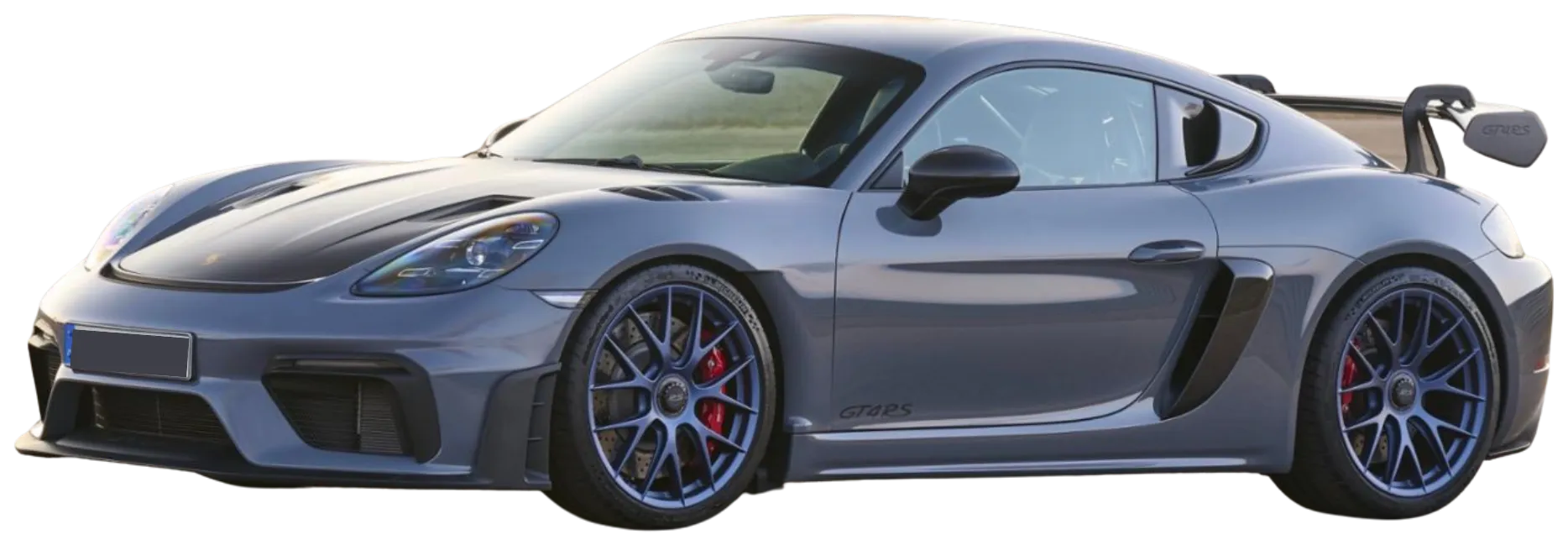 718 Boxster and Cayman | Turbo flat-four, 4.0 flat-six | Single rear silencer valve, particulate filter on four-cylinder cars |
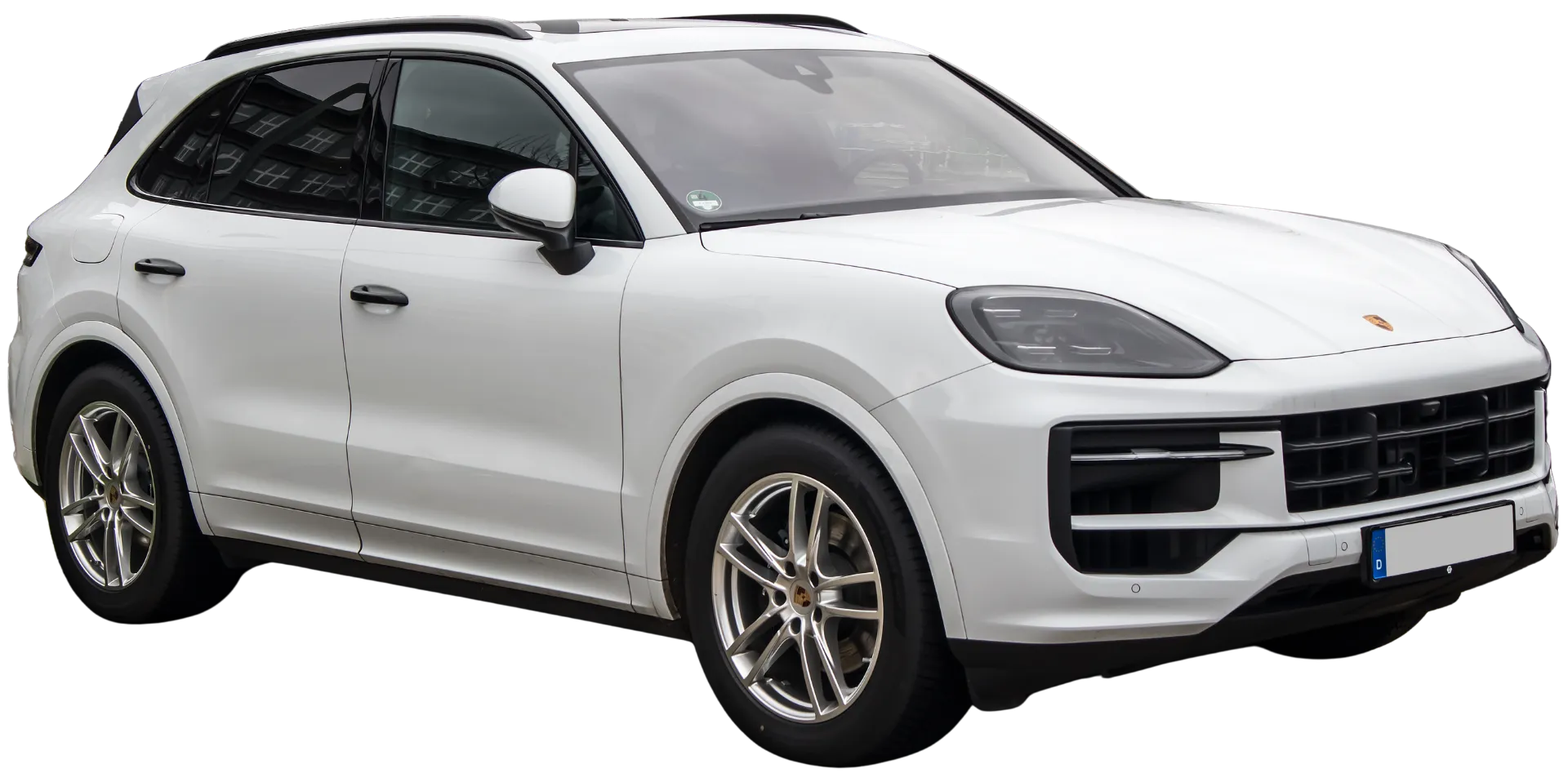 Cayenne | V6, V8 twin-turbo, E-Hybrid | Long pipe runs, flex joints, rubber hangers, heat shields |
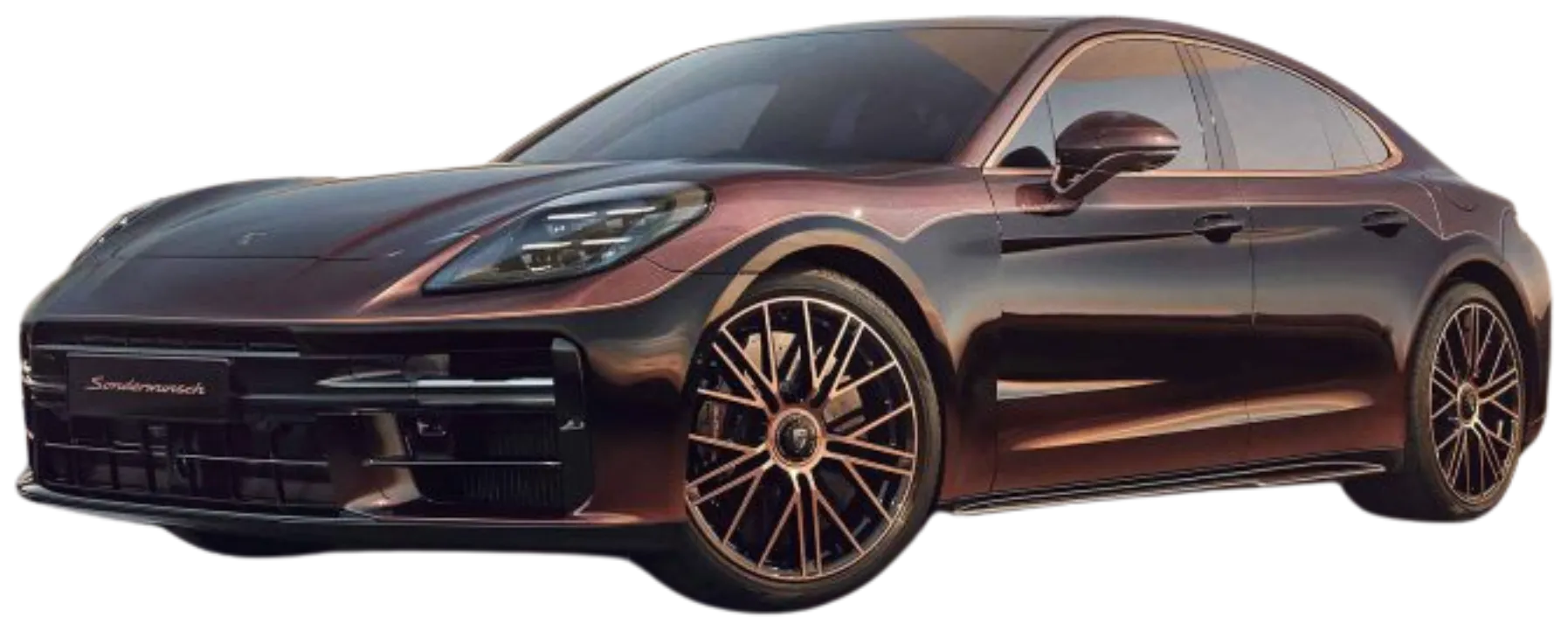 Panamera | V6, V8 twin-turbo, E-Hybrid | Twin catalysts, centre silencers, oxygen sensors |
 Macan (petrol) | Turbo four, V6 twin-turbo | Downpipes, flex pipe, rear valve box |
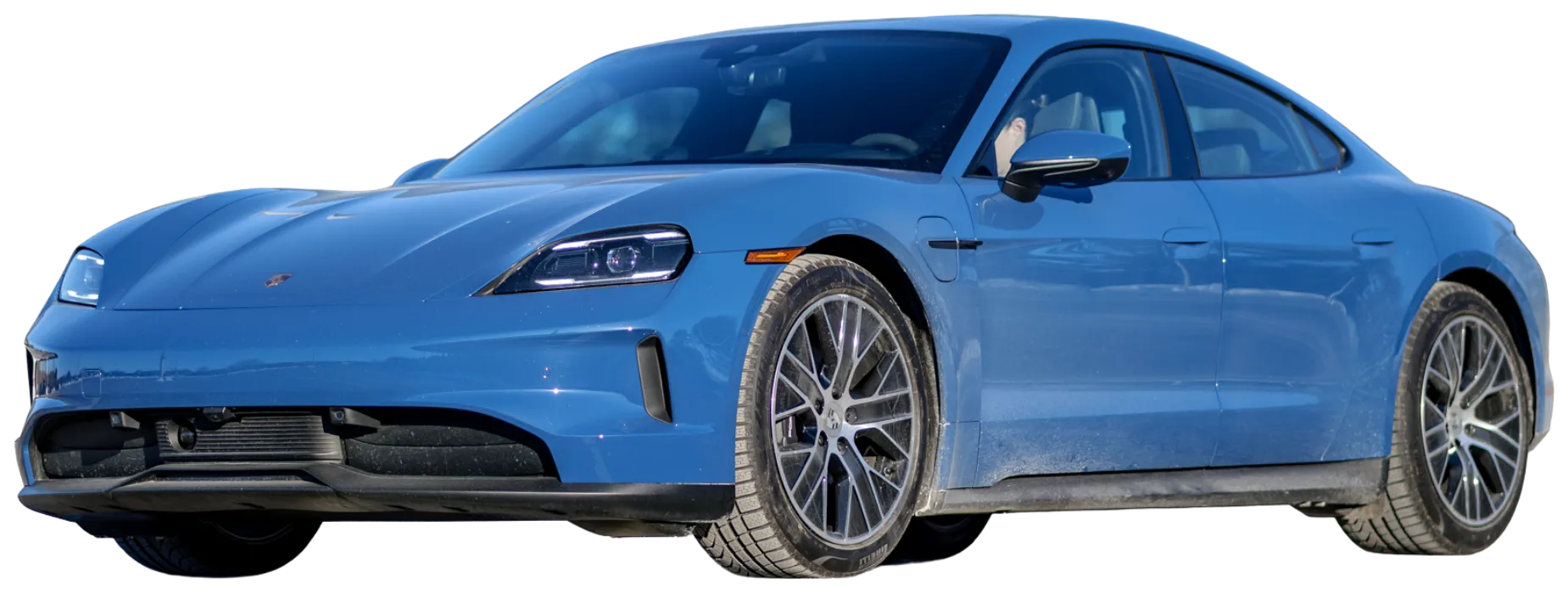 Taycan and Macan Electric | Electric motors | No combustion system; we service their other components |
Porsche hybrid models start and stop the engine often. Short running cycles keep catalysts cooler and let more moisture sit in the pipes, which speeds up internal rust.
05Root causes
A leak ahead of the oxygen sensors pulls in outside air. The sensors read a lean mixture, the engine adds fuel, and the catalyst starts to overheat. One small gap can harm three parts, and the resulting misfire may also need engine repair alongside pipe work. The sensor before the catalyst controls the mixture, while the one after it only checks catalyst efficiency, so the stored code tells us which side of the converter to inspect.
Most rattles over bumps come from a loose shield or clamp, which is a quick fix. A rattle from inside a catalyst means the ceramic core has broken up and needs replacing.
A petrol particulate filter burns off soot during steady, faster driving. Cars used only for short trips in traffic build up soot and oil ash, which triggers a filter warning.
On many Porsche cars, the flaps stay open with no vacuum and close once the engine builds vacuum. A split hose, failed actuator or seized flap leaves the car stuck loud or stuck quiet. Cars parked for months suffer most, and a weekly drive with the sports exhaust switched on keeps the flaps moving freely.
06UAE climate
The local climate attacks this system from both inside and out:
07Repair or replace
We always try to save a part before replacing it. This table shows how that choice is made.
| Component | Repair When | Replace When | Typical Time |
|---|---|---|---|
| Gaskets and clamps | Joint is sound, seal has failed | Flange is warped or pitted | 1 to 2 hours |
| Sports valve | Actuator or hose has failed | Flap has seized inside the silencer | 2 to 4 hours |
| Catalytic converter | Light clogging, efficiency close to limit | Core broken or efficiency code returns | Half a day |
| Oxygen sensor | Wiring or plug fault | Slow or dead response | 1 hour |
| Particulate filter | Soot load high, ash load normal | Ash load near its limit | Half a day |
| Manifold | Flange warped, no cracks | Body cracked | 1 to 2 days |
| Flex pipe | Never, the mesh cannot be repaired | Any crack or leak | 2 to 3 hours |
| Silencer | Small hole, outer shell rust | Broken baffles or internal rot | 2 to 4 hours |
Parts sourcing can extend these times for rare or older Porsche models. A thorough pre-purchase inspection before buying can reveal hidden damage underneath.
08Why us
Owners rate us 4.5 stars across 2,554 reviews. More than 1,000 happy customers trust our team with daily drivers, weekend cars and rare models, and many return often.
Our team brings over 10 years of focused experience. Fifty-two technical staff cover mechanical, electrical, body and paint work, so one site handles every repair your Porsche needs.
Our 4,108 m² facility runs more than 18 hydraulic lifts across its bays. Cars get prompt lift access, so inspections start quickly and repairs finish right on schedule.
We fit OEM parts that match factory specifications on every job. You get dealership-level quality at specialist-workshop prices, making us a trusted dealership alternative for many owners.
We work with more than 10 insurance partners. Our team handles approvals and paperwork directly, so covered underbody damage gets repaired without long delays or extra effort needed.
Service contract holders enjoy free pickup and drop-off, handled only by our trained drivers. Every service also includes a free car wash, so your Porsche returns clean.
09Book
A small leak or stuck valve today can become a failed catalyst or a traffic fine tomorrow. Early diagnosis keeps repair costs low and your car safe on the road. Bring your car to the team at Porsche Repair Dubai for a clear diagnosis and a fixed quote.
10FAQs
Straight answers before you book. Still unsure? Ask the service advisor.
Ask a questionA leaking gasket, cracked pipe or valve stuck open is the usual cause. We find the exact source before suggesting any repair, so you only pay for the part that has truly failed.
Yes, a weak catalyst sets an efficiency code and lights the check engine warning. A faulty sensor or misfire can set the same code, so we rule those out first and save you a costly part.
Rarely. Most faults are fixed by replacing a gasket, hanger, sensor, valve or one pipe section. A full system is only fitted when corrosion has spread across most of the parts.
Simple jobs like gaskets, hangers or sensors take one to three hours. Catalyst, filter or manifold work can take a day or two, depending on parts supply for your Porsche model.
In most cases, yes. A failed actuator or split vacuum hose causes most valve faults. Replacing those parts costs far less than a new silencer and restores both sound modes.
Yes, when we fit OEM parts and keep the factory catalysts in place. We also check noise levels against legal limits, so the car passes testing without fines or any rework.
Yes, clear water after a cold start is condensation from combustion, and it stops once the system is fully hot. Water that keeps dripping after a long drive, or looks milky or smells sweet, points to coolant and needs a check.
Short trips in traffic stop the filter from burning off soot. We read the soot and ash data, run a regeneration and advise on driving habits that stop the warning from returning.