Dashboard warning
a stored fault code from the ignition, fuel, sensor or emission system
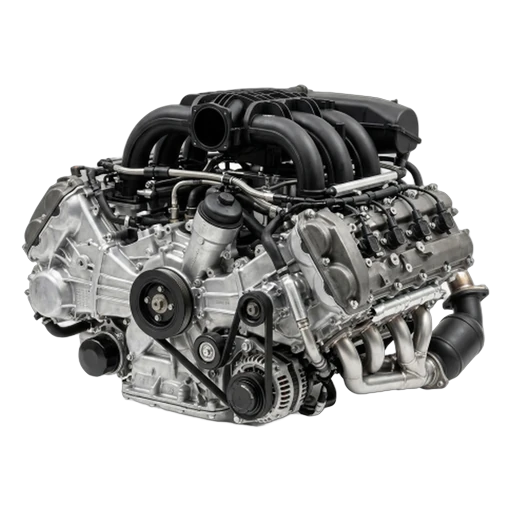
Porsche Repair Dubai fixes extreme heat breaks, with OEM parts, PIWIS-certified technicians and precision that saves owners from dealer prices without cutting corners on quality. Whether it's a seized bearing, a blown turbo or a seized engine, every fault gets a written diagnosis, a fair quote and a factory-spec fix.
01Warning signs
Eight signs signal trouble: a dashboard warning, knocking, blue smoke, white smoke, overheating, oil leaks, power loss and rough idle. Each sign maps to a specific fault family:
a stored fault code from the ignition, fuel, sensor or emission system
wear at the bearings, timing chain or valve train
oil burning past piston rings or valve seals. On 996 and 997.1 flat-sixes, soot in only one tailpipe often points to bore scoring on that bank
coolant entering the combustion chamber through a head gasket or cylinder head fault. A short cloud at start-up on M96 and M97 engines is more often a failed air oil separator
coolant loss, or failure of the water pump, thermostat or cooling fan
leaks at the valve cover, rear main seal or oil pan gasket
air, fuel, ignition or turbocharger faults
misfire, vacuum leak or low compression
A flashing warning light, a red oil-pressure symbol or a coolant temperature above 110°C requires an immediate stop.
02Diagnosis
PIWIS, the Porsche Integrated Workshop Information System, reads stored fault memory and freeze-frame data. A code identifies the monitored system, not the failed part. The scan also reads the over-rev log, where ranges 3 to 6 reveal missed downshifts that can bend valves.
Live values for fuel trim, ignition timing, boost pressure and coolant temperature are compared against factory ranges, exposing sensor faults early, before parts change.
Cylinder compression shows pressure per cylinder, and a leak-down test locates sealing loss at rings, valves or head gasket, so decisions rest on measurements.
Oil, coolant and filter checks reveal metal debris, sludge and contamination, while a borescope views cylinder walls without dismantling the block or removing head.
03Services
Porsche engine fault diagnosis ends with a ranked list naming the failed part, evidence and urgency, so approvals never rest on guesswork.
Technicians trace every leak to its source and reseal gaskets. Porsche engine oil leak repair and Porsche rear main seal replacement end seepage, timed with clutch work to share the same access.
Rattling on cold start signals chain wear. Porsche timing chain repair replaces chain, guides and tensioners, then resets valve timing to specification.
Owners of 986, 987.1, 996 and 997.1 cars receive Porsche IMS bearing replacement with an upgraded bearing, fitted using the correct pullers. The 9A1 engines from 2009 and the GT3 and Turbo engines have no IMS bearing to fail.
Borescope inspection confirms cylinder wall damage. Porsche bore scoring repair follows with honing, sleeving or block replacement, matched to the measured depth.
Misfires trace to coils, plugs or wiring. Porsche engine misfire repair isolates the failing cylinder first, then renews only the confirmed components.
Cleaning or replacing injectors restores spray pattern. A Porsche engine tune-up combines plugs, injector service and filter renewal for smoother power.
Failed position sensors cause stalling and hard starts. Technicians replace the faulty sensor, clear stored codes and confirm the correct signal on PIWIS.
Direct-injection units collect carbon on intake valves. Walnut-shell blasting removes the deposit without harming valve seats, restoring airflow and a steady idle. Most engines need it every 60,000 to 80,000 km.
Boost loss and oil smoke point to turbo wear. Rebuilding the cartridge, wastegate and charge-air pipes restores boost pressure to factory values.
Overheating starts with weak flow. Pressure tests locate failed pumps, thermostats and hoses, and vacuum bleeding removes trapped air from the circuit.
Internal damage confirmed by measurement moves the job to rebuild or replacement, and every approval is recorded in writing before dismantling begins.
04Models
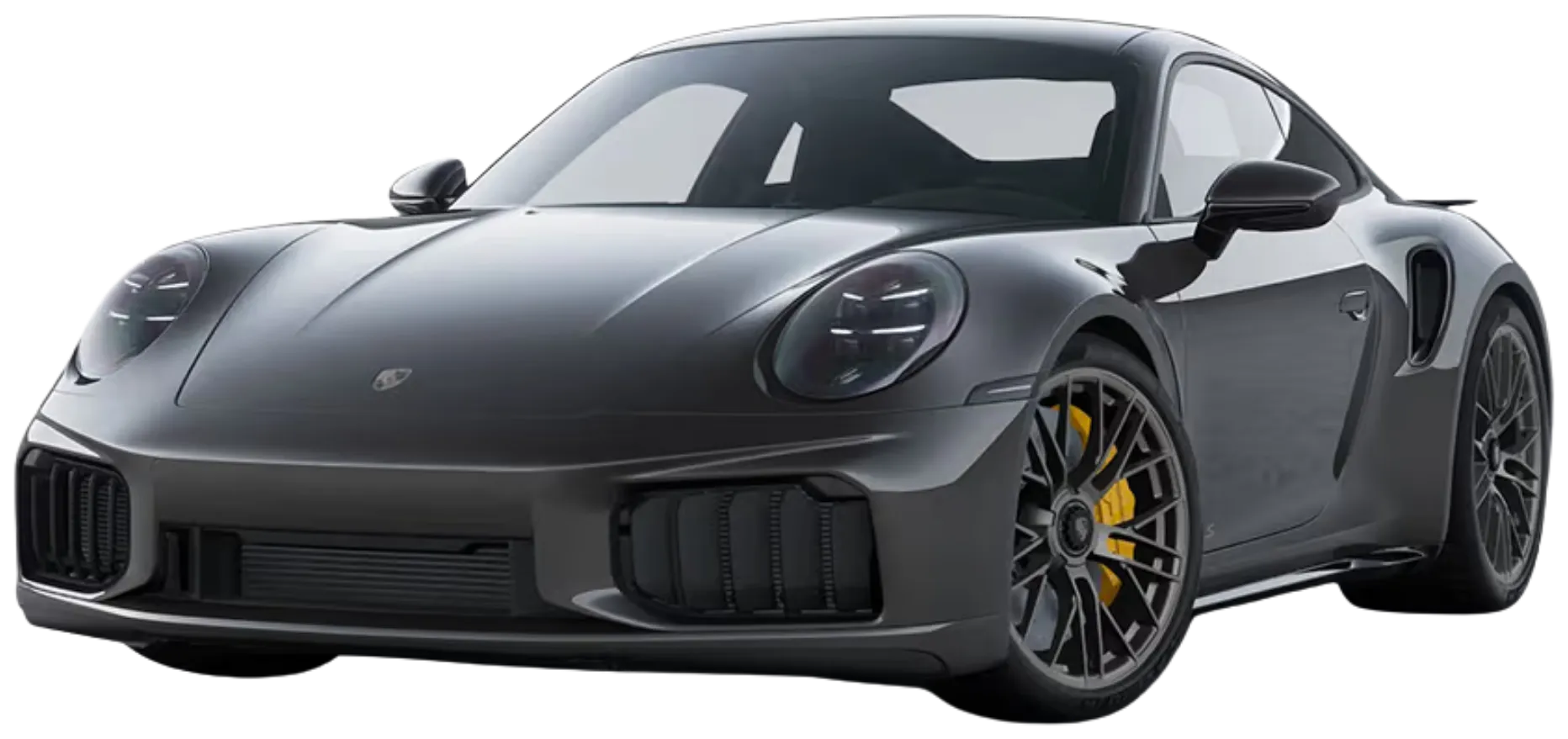
On 996 and 997.1 cars from 1999 to 2008, we inspect the IMS bearing and measure bore condition. On 997.2, 991 and 992 cars, we clean intake-valve carbon.
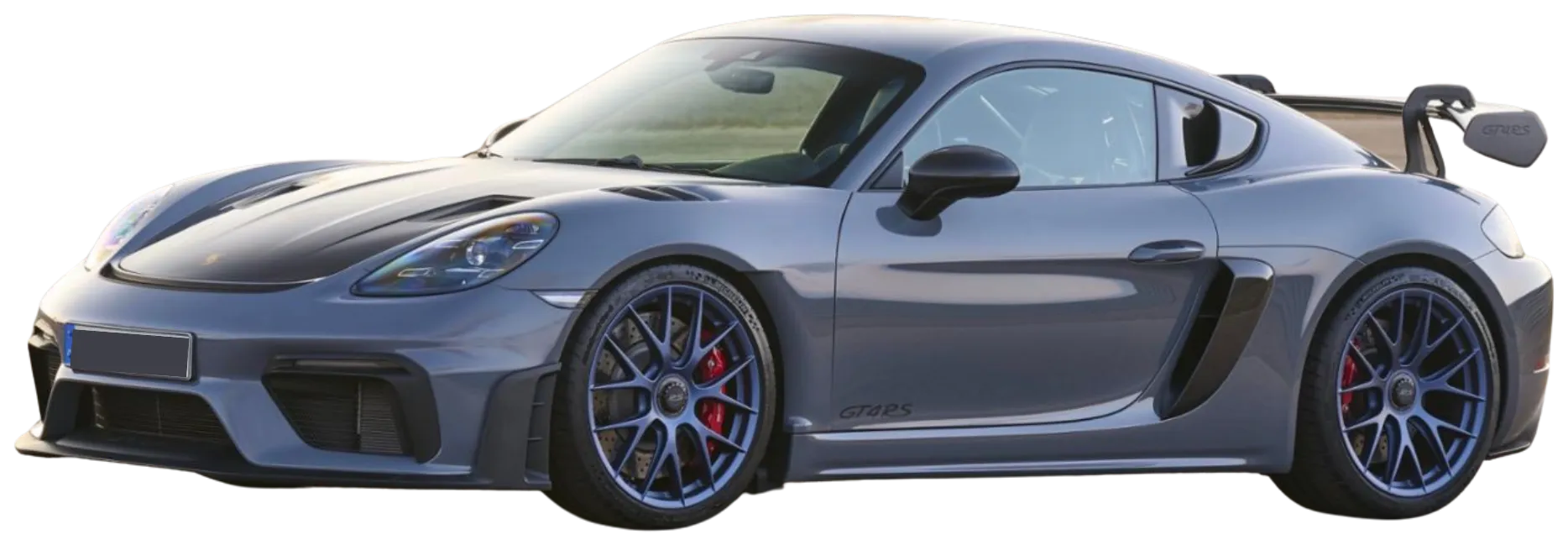
On 986 and 987.1 cars, we retrofit the IMS bearing. On turbocharged 718 cars, we test oil feed, wastegate and charge-air hoses and verify boost values under load.
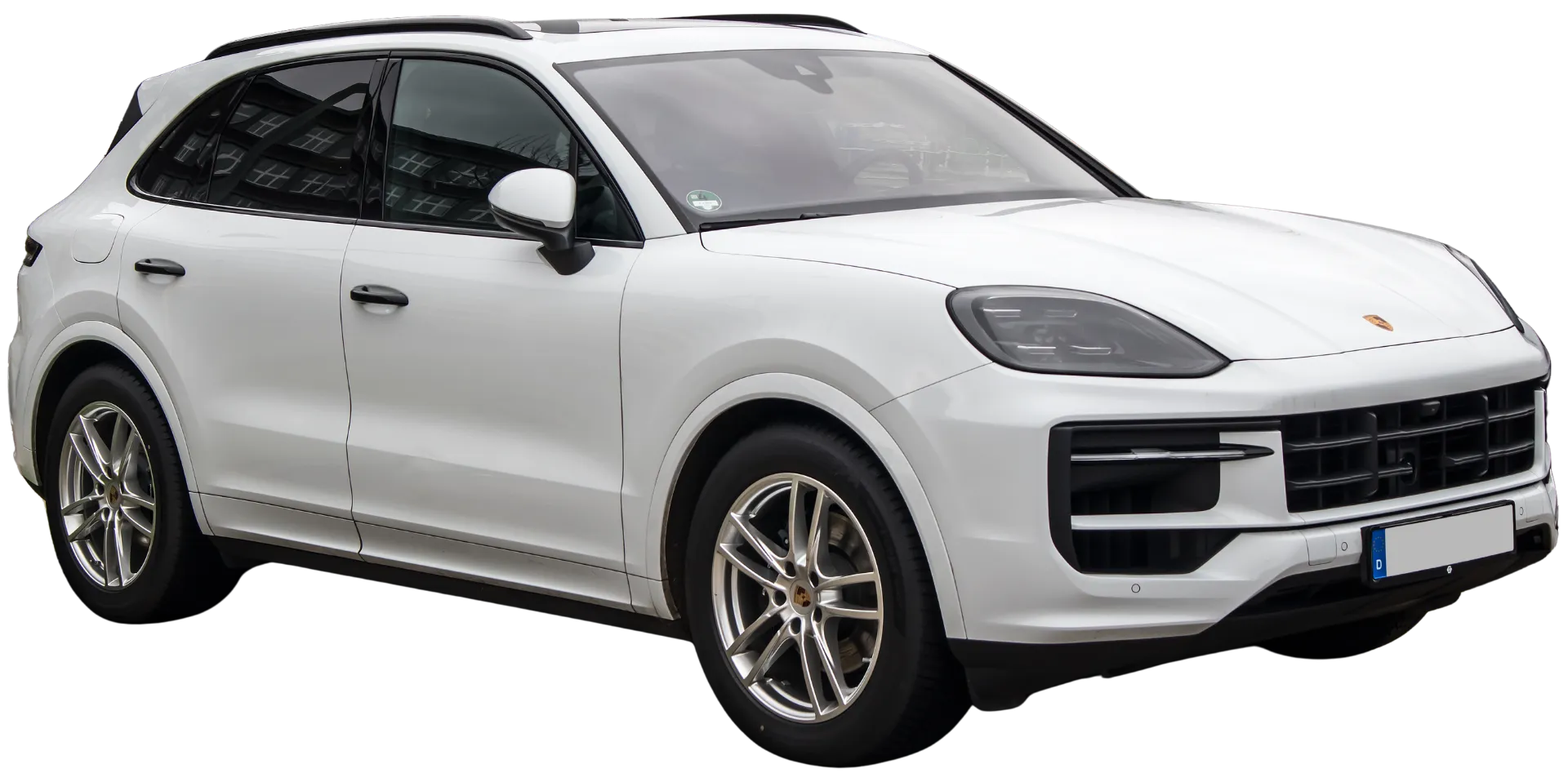
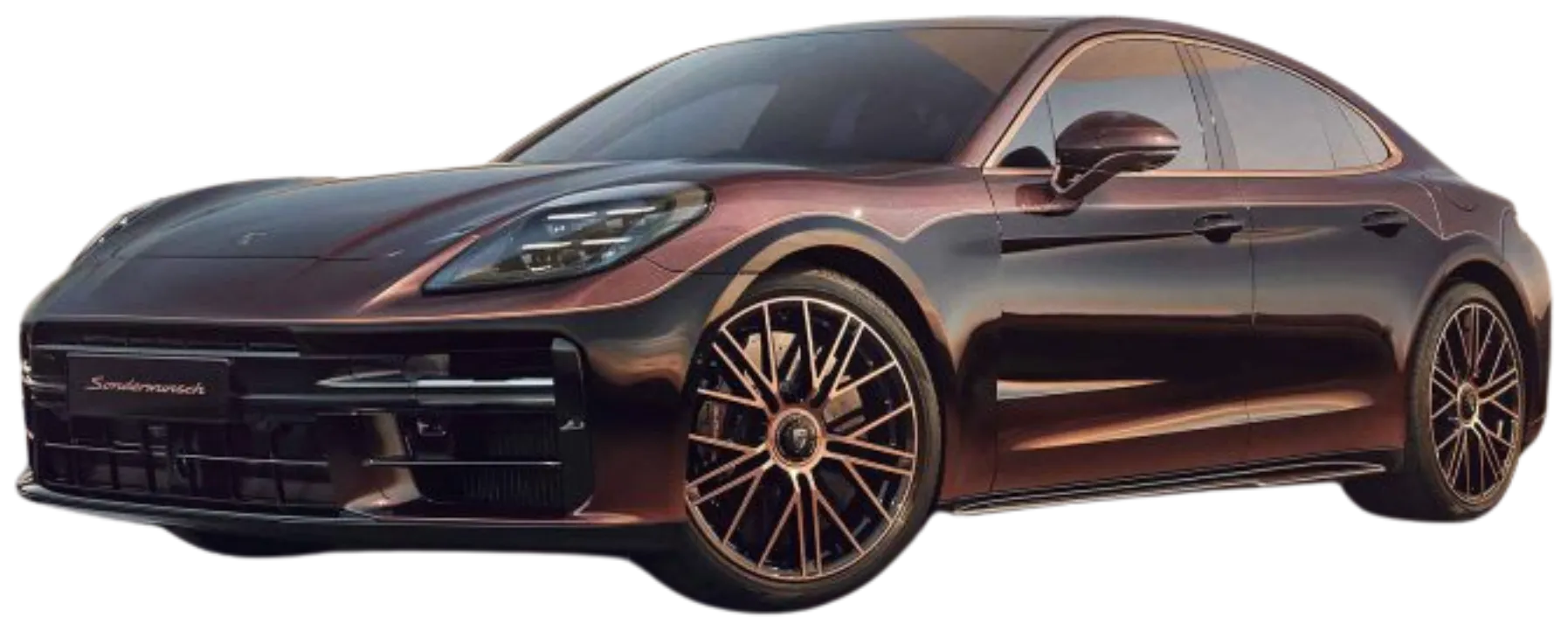
On V6 and V8 cars, we replace plastic coolant pipes, timing chain guides and valve cover gaskets. On turbo variants, we also log live boost and wastegate values.

On the 2.0L four-cylinder and the 2.9L or 3.0L V6 turbo, we trace charge-air hose leaks, replace seeping valve cover gaskets and remove carbon buildup from intake valves.
05Process
Porsche engine inspection records symptoms, warning messages and recent work; then the diagnostic tests above confirm the root cause before technicians touch any part.
The owner reviews the quote line by line and approves it in writing, and dismantling starts only after that approval reaches the workshop team.
Technicians fix the fault with OEM parts and factory procedures, then reset adaptations, bleed the cooling circuit and verify every fluid level before release.
The car completes a road test and a final fault rescan, and the owner receives the findings, invoice and recheck date at final handover.
06Options
A targeted fix suit contained faults, a rebuild suit confirmed internal wear and replacement suit damage beyond economic repair.
We fix faults confined to a seal, sensor, coil, timing part or cooling component. This route preserves serviceable original assemblies, shortens downtime and carries the lowest overall cost.
A Porsche engine rebuild strips the block, measures bearings, pistons and cylinders, and reassembles to factory specification. A Porsche engine overhaul adds cylinder head and valve train work.
Porsche engine replacement installs a used or remanufactured unit with a matched engine code. We fit all ancillaries, bleed the cooling circuit and road-test the car before handover.
07Dubai heat
08Your quote
Our written repair quote contains 7 line items that separate confirmed work from conditional work.
09Why us
A 4.5 rating across 2,554 reviews reflects 10+ years of specialist experience and 1000+ happy customers, who return for diagnostics, rebuilds, routine servicing and every later job booked.
OEM parts match factory specifications, so this dealership alternative delivers identical part quality, documented fitment and written quotes that owners expect from an official dealer on every job.
A 4,108m² workshop with 18+ hydraulic lifts across the bays runs several mechanical and body jobs at once, which keeps each car moving through the queue without delays.
52 technical staff cover mechanical, body and paint work under one roof, so cooling, drivetrain and cosmetic faults get resolved without sending the car to an outside specialist.
Pickup and drop-off by a driver is free with a service contract, and every service includes a free car wash, so the car returns clean at no cost.
10+ insurance partners and structured service contracts let owners route approved claims through insurance coverage or plan scheduled maintenance under one agreed contract, with every step in writing.
10Aftercare
Eight aftercare steps protect the finished unit during the first 1,000 km.
11Book
Send 4 details to book an inspection: model and year, mileage, symptom and the VIN from the registration card. Photos or video of leaks, warning lights and noises speed up the first assessment. Message the workshop through the contact form or WhatsApp to confirm a slot.
12FAQs
Straight answers before you book. Still unsure? Ask the service advisor.
Ask a questionMost jobs finish within 1 to 5 days, and a full rebuild takes 2 to 4 weeks. Diagnosis takes 1 day; leak, ignition and sensor jobs take 1–3 days; timing chain and IMS bearing work takes 3–5 days, and a turbocharger overhaul takes 3–7 days. Part availability and outside machining extend these windows.
A steady light allows a short drive to the workshop, and a flashing light signals active misfire that requires an immediate stop. Misfire pushes unburned fuel into the catalytic converters, which overheats them and raises the final bill.
No, a low compression reading needs confirmation with leak-down results. A leak-down above 10% flags sealing wear, and the location decides the fix. A worn valve or head gasket costs far less than a rebuild.
A builder measures, machines and reconditions each component, while an assembler refits parts without measuring. Micrometer-checked clearances at bearings, pistons and valves separate the two methods.
Yes, remapped, exhaust-modified and turbo-upgraded units receive the same diagnosis plus a boost and fuelling log review. Modification history changes the plan, so owners report every upgrade at inspection.
The M96 and M97 flat-sixes in 911, Boxster and Cayman models from 1997 to 2008 use the IMS bearing. Engines from 2009 onward, and the GT3 and Turbo engines, do not, so the retrofit only applies to the earlier cars.
Yes, a Porsche pre-purchase inspection with compression, leak-down and borescope checks reveals hidden wear before the sale closes.